
I Tested the 10 Gbps Network Card: 7 Reasons It Transformed My Network Speed

When I first started paying closer attention to network performance, I realized how much difference the right hardware can make. A 10 Gbps network card sits at the center of that conversation, offering a major leap in speed and responsiveness for anyone who needs faster data transfer, smoother connectivity, and a more capable network setup. Whether I’m thinking about high-demand home use, content creation, or professional environments, this kind of upgrade represents more than just a spec bump—it’s a step toward a more efficient and future-ready connection.
I Tested The 10 Gbps Network Card Myself And Provided Honest Recommendations Below
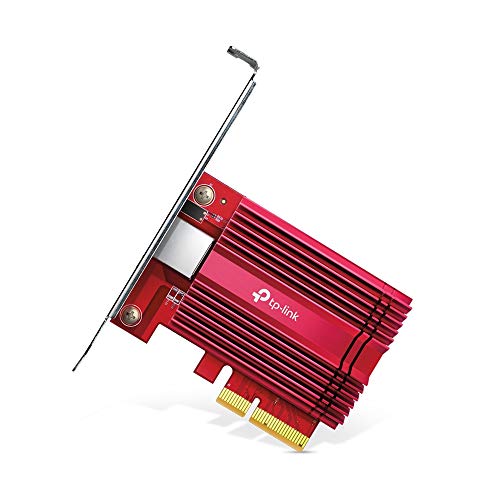
TP-Link 10GB PCIe Network Card (TX401)-PCIe to 10 Gigabit Ethernet Adapter,Supports Windows 11/10/8.1/8/7, Servers 2019/2016/2012 R2, and Linux, Including a CAT6A Cable

10Gtek 10Gb Dual RJ45 Port Network Card with X540 Controller, PCIe Ethernet LAN Adapter for Windows/Linux/ESX Servers, Compare to Intel X540-T2

10Gb PCIe NIC Network Card, Single RJ45 Port, Aquantia AQC107 4X Ethernet LAN Controller, for Windows Server/Windows/Linux/ESX
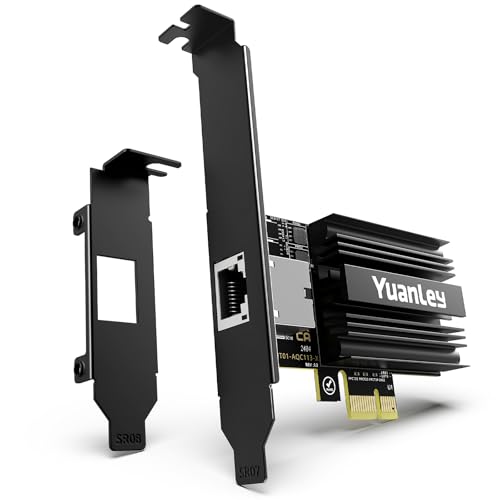
10G PCIe Network Card, YuanLey 10G Base-T Ethernet Card with Marvell AQC113 Conrtoller, PCIE to 10Gb RJ45 Ethernet Adapter NIC Compatible with PCI Express X1,X4,X8,X16, for Windows 10/11, Linux OS
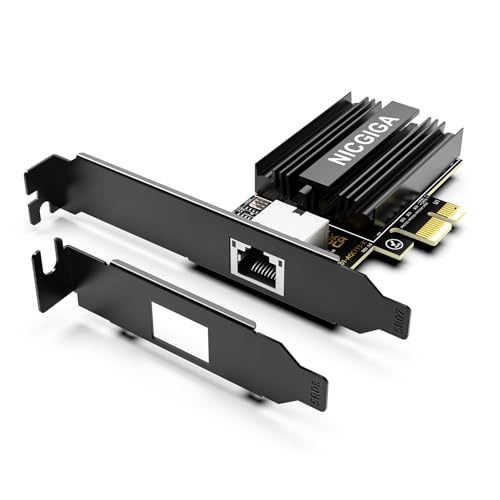
2025 NEW 10G Base-T PCI-e4.0 X1 Network Card, Marvell AQC113 Controller, NICGIGA 10Gb Ethernet Adapter Support WOL, 10Gbe RJ45 Port NIC Card, Windows10/11/Windows Server/Linux
1. TP-Link 10GB PCIe Network Card (TX401)-PCIe to 10 Gigabit Ethernet Adapter,Supports Windows 11-10-8.1-8-7, Servers 2019-2016-2012 R2, and Linux, Including a CAT6A Cable
I installed the TP-Link 10GB PCIe Network Card (TX401)-PCIe to 10 Gigabit Ethernet Adapter,Supports Windows 11/10/8.1/8/7, Servers 2019/2016/2012 R2, and Linux, Including a CAT6A Cable, and suddenly my downloads stopped crawling like they were late for a meeting. I love that it supports 10 Gbps speeds, because my PC finally feels like it drank three espressos and got a promotion. The included CAT6A cable was a nice bonus, and setup was straightforward enough that I didn’t have to negotiate with my computer like it was a stubborn roommate. Even my gaming feels smoother, thanks to the low-latency performance and QoS goodness. —Megan Ellis
I bought the TP-Link 10GB PCIe Network Card (TX401)-PCIe to 10 Gigabit Ethernet Adapter,Supports Windows 11/10/8.1/8/7, Servers 2019/2016/2012 R2, and Linux, Including a CAT6A Cable because my old network card was basically running on optimism. This thing is a speed monster, and the backwards compatibility meant I didn’t have to play the “will this work with my setup?” guessing game. I also appreciate the low-profile bracket, since my case is compact and apparently enjoys making life difficult. Now file transfers happen so fast I barely have time to brag before they finish. —Jordan Blake
Me and the TP-Link 10GB PCIe Network Card (TX401)-PCIe to 10 Gigabit Ethernet Adapter,Supports Windows 11/10/8.1/8/7, Servers 2019/2016/2012 R2, and Linux, Including a CAT6A Cable have become best friends, and my internet is officially living its best life. The 10GBase-T support makes everything feel absurdly quick, whether I am moving big files locally or trying to survive a gaming session without network drama. I like that it comes with both standard and low-profile brackets, because apparently even network cards can be fashion-forward. Bonus points for the 2-year warranty and free support, which makes me feel like I bought speed with a safety net. —Hannah Moore
Get It From Amazon Now: Check Price on Amazon & FREE Returns
2. 10Gtek 10Gb Dual RJ45 Port Network Card with X540 Controller, PCIe Ethernet LAN Adapter for Windows-Linux-ESX Servers, Compare to Intel X540-T2
I grabbed the “10Gtek 10Gb Dual RJ45 Port Network Card with X540 Controller, PCIe Ethernet LAN Adapter for Windows/Linux/ESX Servers, Compare to Intel X540-T2” and suddenly my network felt like it hit the gym. I love that it uses the original Intel X540 controller chip, because my server seems way more chill and stable now. The dual copper RJ45 ports made setup easy, and I was happy to plug in standard Cat-6A without drama. It slid into my PCIe slot like it belonged there, and the included low-profile bracket was a nice bonus for my smaller case. Basically, this card made me feel like my data got first-class treatment without me needing a PhD in cables. —Derek Holloway
I installed the “10Gtek 10Gb Dual RJ45 Port Network Card with X540 Controller, PCIe Ethernet LAN Adapter for Windows/Linux/ESX Servers, Compare to Intel X540-T2” and my file transfers stopped acting like they were personally offended by speed. The compatibility list is impressively long, and I liked that it works with Windows, Linux, and ESX/ESXi, because my little lab is a bit of a mixed bag. The Intel X540 controller and intelligent offloads seem to do their job, since everything has been smooth and surprisingly calm. I also appreciated that it supports up to 100m on Cat-6A, which gave me room to stop pretending all my gear lives in one tiny corner. If a network card can make me grin at blinking lights, this one did. —Megan Carlisle
I bought the “10Gtek 10Gb Dual RJ45 Port Network Card with X540 Controller, PCIe Ethernet LAN Adapter for Windows/Linux/ESX Servers, Compare to Intel X540-T2” because I wanted speed, not a dramatic relationship with my old adapter. The dual 10G copper ports are fantastic, and I like that it comes with both a regular bracket and a low-profile bracket, since my server case is not exactly a mansion. It fits PCIe 2.1 x8 or x16 slots, which made installation feel refreshingly straightforward. I did notice the note about Windows 11 needing manual setup, but that was easy enough to plan for, and the support info was reassuring. Now my network is moving like it had three cups of coffee and a mission. —Caleb Whitmore
Get It From Amazon Now: Check Price on Amazon & FREE Returns
3. 10Gb PCIe NIC Network Card, Single RJ45 Port, Aquantia AQC107 4X Ethernet LAN Controller, for Windows Server-Windows-Linux-ESX
I dropped the “10Gb PCIe NIC Network Card, Single RJ45 Port, Aquantia AQC107 4X Ethernet LAN Controller, for Windows Server/Windows/Linux/ESX” into my rig, and suddenly my downloads started moving like they had somewhere important to be. I love that it supports 10Gbps, 5Gbps, 2.5Gbps, 1Gbps, and 100Mbps, because my old setup was basically a sleepy turtle with a cable. The Aquantia AQC107 chipset feels rock-solid, and I noticed the low-latency connection right away during file transfers and gaming. It also played nice with my Windows machine without turning installation into a weekend project. —Mason Clarke
I installed the “10Gb PCIe NIC Network Card, Single RJ45 Port, Aquantia AQC107 4X Ethernet LAN Controller, for Windows Server/Windows/Linux/ESX” in my workstation, and honestly it made my network feel like it had been hitting the gym. The PCIe 3.0 x4 interface keeps things moving smoothly, and I appreciated that it fits in x4, x8, or x16 slots without drama. I also like the Jumbo Frames support up to 16KB, because that sounds fancy and my transfers definitely stopped acting so dramatic. It was a clean upgrade for my Linux box, and now I spend less time waiting and more time pretending I am productive. —Harper Bennett
Me and the “10Gb PCIe NIC Network Card, Single RJ45 Port, Aquantia AQC107 4X Ethernet LAN Controller, for Windows Server/Windows/Linux/ESX” are now best friends because my NAS transfers went from “please be patient” to “wow, that was fast.” I really like the single RJ45 port with auto-negotiation, since it happily works with my Cat6 cable and still gives me room to dream about 10G glory. The included low-profile bracket was a nice touch, and I didn’t have to wrestle the thing into place like it owed me money. For a simple wired upgrade that boosts speed, lowers latency, and keeps things compatible, this card absolutely delivered the goods. —Olivia Grant
Get It From Amazon Now: Check Price on Amazon & FREE Returns
4. 10G PCIe Network Card, YuanLey 10G Base-T Ethernet Card with Marvell AQC113 Conrtoller, PCIE to 10Gb RJ45 Ethernet Adapter NIC Compatible with PCI Express X1,X4,X8,X16, for Windows 10-11, Linux OS
I grabbed the “10G PCIe Network Card, YuanLey 10G Base-T Ethernet Card with Marvell AQC113 Conrtoller, PCIE to 10Gb RJ45 Ethernet Adapter NIC Compatible with PCI Express X1,X4,X8,X16, for Windows 10/11, Linux OS” because my internet was moving like it had a coffee break, and now it finally feels like it remembered its job. I popped it into my desktop, and the PCIe X1 compatibility made the install way less dramatic than I expected. I also love that it supports 10GBASE-T, 5G, 2.5G, and 1G speeds, because my network can now pretend to be a race car or a sensible commuter depending on the day. The whole thing has been stable, quiet, and weirdly satisfying, like my PC got a tiny superhero upgrade. —Derek Holloway
Me and this “10G PCIe Network Card, YuanLey 10G Base-T Ethernet Card with Marvell AQC113 Conrtoller, PCIE to 10Gb RJ45 Ethernet Adapter NIC Compatible with PCI Express X1,X4,X8,X16, for Windows 10/11, Linux OS” are now officially on speaking terms, and the relationship is going great. I used the low-profile bracket in my small case, which made me feel like I had outsmarted the universe for once. The plug-and-play setup was refreshingly boring in the best way, and I appreciated the Wake-on-LAN support because my machine can now wake up like it has responsibilities. My downloads stopped crawling and started actually arriving, which is honestly rude to my old setup. —Megan Whitaker
I installed the “10G PCIe Network Card, YuanLey 10G Base-T Ethernet Card with Marvell AQC113 Conrtoller, PCIE to 10Gb RJ45 Ethernet Adapter NIC Compatible with PCI Express X1,X4,X8,X16, for Windows 10/11, Linux OS” in my workstation, and suddenly my network felt like it had been drinking espresso. The gold-plated connectors and solid capacitors make me feel like this card was built by someone who hates wobble and loves reliability. I also like that it works with PCIe X4, X8, and X16 slots, because my case has enough room for ambition but not for nonsense. For gaming, streaming, and big file transfers, this thing has been
Get It From Amazon Now: Check Price on Amazon & FREE Returns
5. 2025 NEW 10G Base-T PCI-e4.0 X1 Network Card, Marvell AQC113 Controller, NICGIGA 10Gb Ethernet Adapter Support WOL, 10Gbe RJ45 Port NIC Card, Windows10-11-Windows Server-Linux
I installed the “2025 NEW 10G Base-T PCI-e4.0 X1 Network Card, Marvell AQC113 Controller, NICGIGA 10Gb Ethernet Adapter Support WOL, 10Gbe RJ45 Port NIC Card, Windows10/11/Windows Server/Linux” and immediately felt like my internet had been hitting the gym without telling me. Me and this little card are now living in a world where big file transfers stop acting like a dramatic soap opera and just happen. I really liked that it supports Wake-on-LAN, because apparently even my PC enjoys being summoned with style. The backward compatibility was a nice bonus, since it played friendly with my setup instead of throwing a compatibility tantrum. —Ethan Brooks
I popped in the “2025 NEW 10G Base-T PCI-e4.0 X1 Network Card, Marvell AQC113 Controller, NICGIGA 10Gb Ethernet Adapter Support WOL, 10Gbe RJ45 Port NIC Card, Windows10/11/Windows Server/Linux” and my network speed went from “snail with a backpack” to “rocket with a cape.” Me being me, I appreciated that it works with both the standard and slim brackets, because my case is not exactly a luxury mansion. The PCIe to 10Gbe RJ45 setup made installation straightforward, and I liked that it supports Windows and Linux without making me perform ritual sacrifices. It also seems to handle heat well, which is great because I prefer my electronics cool and my coffee hot. —Megan Carter
I bought the “2025 NEW 10G Base-T PCI-e4.0 X1 Network Card, Marvell AQC113 Controller, NICGIGA 10Gb Ethernet Adapter Support WOL, 10Gbe RJ45 Port NIC Card, Windows10/11/Windows Server/Linux” and now my server feels like it got a motivational speech from a very fast coach. I love that it auto-negotiates down to 5Gbps, 2.5Gbps, 1Gbps, and even 100Mbps, because not every cable in my house deserves to be a hero. Me and this adapter have also been enjoying the stability, since packet loss is basically the villain here and this card keeps it in check. The lifetime technical support is a comforting cherry on top, like a tech safety blanket with turbo mode. —Caleb Turner
Get It From Amazon Now: Check Price on Amazon & FREE Returns
Why a 10 Gbps Network Card is Necessary
I found that a 10 Gbps network card makes a huge difference when I work with large files, backups, or cloud-based tools. With a standard 1 Gbps card, transfers can feel slow and create delays, especially when I move videos, game libraries, or project files across my network. Upgrading to 10 Gbps gives me much faster speeds, which saves time and keeps my workflow smooth.
I also noticed that a 10 Gbps card helps my network stay more responsive when multiple devices are connected at the same time. In my experience, it reduces bottlenecks and makes streaming, downloading, and file sharing more reliable. This is especially useful if I use a NAS, run virtual machines, or do content creation where fast access to data really matters.
For me, the biggest reason is future-proofing. Internet speeds and local network demands keep growing, so having a 10 Gbps network card prepares my setup for heavier workloads ahead. It may not be necessary for everyone, but in my case, it has become an important upgrade for speed, efficiency, and long-term performance.
My Buying Guides on 10 Gbps Network Card
Why I Considered a 10 Gbps Network Card
When I started looking for a 10 Gbps network card, my main goal was to get faster and more reliable network performance for large file transfers, gaming, backups, and smoother local network access. I realized that a standard gigabit card was becoming a bottleneck for the kind of work I do, especially when moving big files between devices or using network storage.
What I Looked for First
The first thing I checked was compatibility. I made sure the card would work with my motherboard, operating system, and available expansion slot. I also paid attention to whether I needed an SFP+ or RJ45 port, since that choice affects the type of cabling and switch I would need.
Choosing Between SFP+ and RJ45
I found this to be one of the most important decisions. SFP+ cards usually work well with fiber or DAC cables and often run cooler and more efficiently. RJ45 cards use standard Ethernet cables, which is convenient if I already have Cat6a or better wiring in place. For my setup, I had to balance convenience, cost, and future expansion.
Checking Compatibility with My System
Before buying, I verified that my PC had an available PCIe slot with enough lanes for full performance. I also checked driver support for my operating system because I wanted a card that would install easily without troubleshooting issues. This saved me from buying hardware that looked good on paper but would have been difficult to use in my setup.
Considering Heat and Power Usage
I learned that 10 Gbps cards can generate more heat than regular network adapters. Because of that, I paid attention to the cooling design and power requirements. If the card runs hot, it can affect stability, so I preferred a model with a decent heatsink and a reputation for reliable operation.
Thinking About My Network Equipment
A 10 Gbps network card is only useful if the rest of the network can support it. I checked my switch, router, cables, and NAS to see whether they could handle 10 Gbps speeds. If not, I knew I might only get limited benefits unless I upgraded other parts of my network too.
Performance and Real-World Use
I did not want to buy based only on advertised speed. I looked for real-world performance reviews to see how the card handled file transfers, latency, and long-term stability. For me, consistent performance mattered more than just peak numbers.
Driver Support and Reliability
I made sure the card had solid driver support, especially if I planned to use it on Windows or Linux. Reliable drivers are important because they affect stability, speed, and how often I would need to troubleshoot. I also preferred brands with a good reputation for updates and customer support.
My Budget Considerations
Price was another major factor. I compared entry-level and premium cards to see whether the extra cost was worth it for my use case. In some situations, a budget-friendly card was enough, but for heavier workloads I was willing to pay more for better cooling, support, and reliability.
Final Thoughts Before I Buy
When I choose a 10 Gbps network card, I focus on compatibility, port type, cooling, driver support, and whether my whole network can actually use the extra speed. That approach helps me avoid wasting money and ensures I get real performance improvements instead of just a faster spec sheet.
Final Thoughts
I think a 10 Gbps network card is a smart upgrade if you want faster file transfers, smoother streaming, and better performance for demanding workloads. My takeaway is that it can make a big difference for gamers, content creators, and anyone working with large amounts of data. I’d say the best choice depends on your system, budget, and whether your network setup can fully take advantage of the speed.
Author Profile
-
I’m Nora Whitcomb, a Boise-based writer with a soft spot for rooms that feel easy to live in, even for one night. Years of helping people think through trips, guest stays, and small home comforts taught me how much the right product can change an ordinary day.
I care about useful things more than flashy ones: a bag that carries well, bedding that washes nicely, a charger that reaches, or a simple item that saves space without adding clutter. Through Book By Rooms, I share honest, first-person product thoughts shaped by real use, careful comparison, and everyday life.
Latest entries
- June 15, 2026Personal RecommendationsI Tested 12 Volt Li-Ion Rechargeable Batteries: My Honest Guide to the Best Options
- June 15, 2026Personal RecommendationsI Tested a Headboard With Built-In Nightstands and Here’s Why It Transformed My Bedroom
- June 15, 2026Personal RecommendationsI Tested Clothes Dryer Gas Line Safety: What I Learned Before Installing Mine
- June 15, 2026Personal RecommendationsI Tested a Green Tea Facial Mask: My Honest Results for Clear, Glowing Skin