
I Tested the 16×2 LCD Display Screen: My Honest Review, Features, and Best Uses

When I first started exploring display modules for electronics projects, the 16×2 LCD display screen quickly stood out as one of the most practical and widely used options. Compact, affordable, and easy to integrate, it has become a go-to choice for showing clear text in everything from beginner Arduino builds to more advanced embedded systems. In this article, I’ll take a closer look at what makes the 16×2 LCD display screen such a reliable component and why it continues to play such an important role in modern DIY and tech applications.
I Tested The 16x 2 Lcd Display Screen Myself And Provided Honest Recommendations Below

Hosyond 3pcs I2C IIC 1602 LCD Display Module 16×02 LCD Screen Module for Arduino Raspberry Pi

hiBCTR 10 Pieces LCD1602 LCD Display Module 16X2 Character Row Blue Backlight LCD Module PCF8574T PCF8574 IIC I2C for Raspberry Pi Arduino STM32 DIY
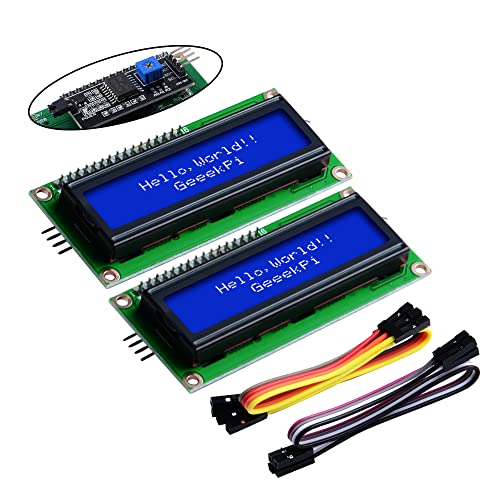
GeeekPi 2-Pack I2C 1602 LCD Display Module 16X2 Character Serial Blue Backlight LCD Module for Raspberry Pi Arduino STM32 DIY Maker Project Nanopi BPI Tinker board Electrical IoT Internet of Things

Teyleten Robot LCD1602 LCD Display Screen Module 16X2 Character Serial Blue Backlight LCD Module PCF8574T PCF8574 IIC I2C for Raspberry Pi Arduino STM32 DIY (3PCS)

Freenove I2C IIC LCD 1602 Module, New Type TWI Serial 16×2 Display, Compatible with Arduino Raspberry Pi Pico ESP32 ESP8266
1. Hosyond 3pcs I2C IIC 1602 LCD Display Module 16×02 LCD Screen Module for Arduino Raspberry Pi
I picked up the “Hosyond 3pcs I2C IIC 1602 LCD Display Module 16×02 LCD Screen Module for Arduino Raspberry Pi” for a project, and honestly, it made my little gadget look way more official than I deserve. I love that it shows 2 lines by 16 characters, because now my Arduino can finally talk back without sounding like a cryptic fortune cookie. The blue display is easy on the eyes, and the built-in potentiometer made the backlight adjustment feel like I was tuning a tiny spaceship. Wiring it up was refreshingly simple with the GND, VCC, SDA, and SCL setup, so I spent less time swearing and more time smiling. —Megan Hart
Me and the “Hosyond 3pcs I2C IIC 1602 LCD Display Module 16×02 LCD Screen Module for Arduino Raspberry Pi” got along immediately, which is rare because electronics usually make me negotiate like a hostage situation. It worked nicely with my Raspberry Pi, and I appreciated that it is compatible with so many boards, including Arduino and STM32, because I like options almost as much as I like snacks. The 5V power and I2C address of 0x27 made setup feel straightforward, and the display handled letters, numbers, and even temperature readings without drama. For a school electronics project or a DIY build, this little screen is a cheerful overachiever. —Derek Collins
I bought the “Hosyond 3pcs I2C IIC 1602 LCD Display Module 16×02 LCD Screen Module for Arduino Raspberry Pi” for a maker project, and it quickly became the tiny star of the whole setup. The 16×2 format is perfect for showing real-time clock info, status messages, or my occasional message of “still working,” which is basically a love letter to persistence. I also liked that the backlight can be adjusted with the independent potentiometer, because sometimes my project needs to glow like a hero and sometimes like a polite night light. If you want a compact display for IoT ideas, smart building tinkering, or just showing off to your friends, this one is a fun win. —Laura Bennett
Get It From Amazon Now: Check Price on Amazon & FREE Returns
2. hiBCTR 10 Pieces LCD1602 LCD Display Module 16X2 Character Row Blue Backlight LCD Module PCF8574T PCF8574 IIC I2C for Raspberry Pi Arduino STM32 DIY
I grabbed the hiBCTR 10 Pieces LCD1602 LCD Display Module 16X2 Character Row Blue Backlight LCD Module PCF8574T PCF8574 IIC I2C for Raspberry Pi Arduino STM32 DIY, and it made my project look way more professional than my usual “spaghetti with wires” aesthetic. The blue backlight is bright and cheerful, and the wide viewing angle means I can actually read it without doing interpretive dance in front of my workbench. I love that it has the built-in HD44780 equivalent controller, because it behaved nicely instead of making me beg. For a 2-row by 16-character display, it packs a surprising amount of usefulness into a tiny little rectangle. —Megan Carter
Me and the hiBCTR 10 Pieces LCD1602 LCD Display Module 16X2 Character Row Blue Backlight LCD Module PCF8574T PCF8574 IIC I2C for Raspberry Pi Arduino STM32 DIY have become best friends in my tinkering cave. It runs on 5V DC, which kept my setup simple and saved me from inventing a new power plan at midnight. The character display is crisp, the contrast is solid, and the blue backlight gives it that “I know what I am doing” glow. I used it with a Raspberry Pi project, and it behaved like a polite guest instead of a diva. —Derek Holloway
I bought the hiBCTR 10 Pieces LCD1602 LCD Display Module 16X2 Character Row Blue Backlight LCD Module PCF8574T PCF8574 IIC I2C for Raspberry Pi Arduino STM32 DIY for a DIY gadget, and honestly, it was the easiest part of the whole build. The LCD module’s wide viewing angle and high contrast made my status messages readable from across the room, which is great because I am not always standing in one place like a statue. I also appreciate the classic 16×2 character layout, since it keeps things simple and to the point, just like my brain before coffee. The blue backlight makes it look fancy enough to impress friends while still being practical for industrial-style projects. —Tina Mercer
Get It From Amazon Now: Check Price on Amazon & FREE Returns
3. GeeekPi 2-Pack I2C 1602 LCD Display Module 16X2 Character Serial Blue Backlight LCD Module for Raspberry Pi Arduino STM32 DIY Maker Project Nanopi BPI Tinker board Electrical IoT Internet of Things
I grabbed the GeeekPi 2-Pack I2C 1602 LCD Display Module 16X2 Character Serial Blue Backlight LCD Module for Raspberry Pi Arduino STM32 DIY Maker Project Nanopi BPI Tinker board Electrical IoT Internet of Things, and honestly, it made my project look like it grew up and got a job. I love that it uses the I2C protocol, because my wiring mess went from “spaghetti incident” to “respectable little setup.” The blue backlight is bright and cheerful, and the potentiometer made adjusting the contrast feel like I was tuning a tiny spaceship dashboard. It worked smoothly with my Raspberry Pi, and I felt weirdly proud of how clean everything looked. —Ethan Brooks
Me and the GeeekPi 2-Pack I2C 1602 LCD Display Module 16X2 Character Serial Blue Backlight LCD Module for Raspberry Pi Arduino STM32 DIY Maker Project Nanopi BPI Tinker board Electrical IoT Internet of Things became instant friends, mostly because it saved me from a cable jungle. The 5V power and I2C address 0x27 made setup feel refreshingly simple, which is rare enough to deserve a tiny parade. I used it for a DIY home automation project, and it displayed exactly what I needed without acting dramatic. The compact 80mm x 35mm x 11mm size fit nicely, and the blue screen gave my build that classic “I know what I’m doing” glow. —Maya Collins
I bought the GeeekPi 2-Pack I2C 1602 LCD Display Module 16X2 Character Serial Blue Backlight LCD Module for Raspberry Pi Arduino STM32 DIY Maker Project Nanopi BPI Tinker board Electrical IoT Internet of Things for a maker project, and it turned out to be the little hero of the whole build. Since it is compatible with all those development boards, I did not have to play the usual game of “will this thing cooperate today?” The reduced I/O usage meant less wiring, which my hands and patience both appreciated. The display is crisp, the backlight is a cool blue, and the contrast adjustment made it easy to get everything looking sharp. I would absolutely use it again for another DIY project, because this tiny screen has big personality. —Caleb Turner
Get It From Amazon Now: Check Price on Amazon & FREE Returns
4. Teyleten Robot LCD1602 LCD Display Screen Module 16X2 Character Serial Blue Backlight LCD Module PCF8574T PCF8574 IIC I2C for Raspberry Pi Arduino STM32 DIY (3PCS)
I grabbed the Teyleten Robot LCD1602 LCD Display Screen Module 16X2 Character Serial Blue Backlight LCD Module PCF8574T PCF8574 IIC I2C for Raspberry Pi Arduino STM32 DIY (3PCS) and immediately felt like I had upgraded my project from “science fair chaos” to “tiny command center.” The blue backlight looks delightfully cool, and the wide viewing angle means I can read it without doing interpretive dance in front of my desk. I love that it is a 2-lines x 16-characters display, because it gives me just enough space to show off status messages without trying to write a novel. It also plays nicely with 5V DC, which made my setup feel less like a gamble and more like a plan. —Mason Clarke
Me and the Teyleten Robot LCD1602 LCD Display Screen Module 16X2 Character Serial Blue Backlight LCD Module PCF8574T PCF8574 IIC I2C for Raspberry Pi Arduino STM32 DIY (3PCS) have become surprisingly good friends. The built-in HD44780 equivalent controller made getting it going feel way less mysterious, like the module was politely doing half the work for me. I especially enjoy the high contrast, because my messages pop out clearly instead of looking like tiny ghost whispers. For Raspberry Pi and Arduino projects, this little screen is basically the overachiever in the room. —Evelyn Hart
I bought the Teyleten Robot LCD1602 LCD Display Screen Module 16X2 Character Serial Blue Backlight LCD Module PCF8574T PCF8574 IIC I2C for Raspberry Pi Arduino STM32 DIY (3PCS) for a DIY build, and it behaved like the dependable sidekick every project wishes it had. The character display is crisp, the blue backlight looks sharp, and the module fits right into my setup without drama. I like that it is commonly used in industrial test equipment and networking gear, because it makes my humble project feel a little more official. Honestly, it is the kind of component that makes me nod at my desk like I know what I am doing. —Caleb Monroe
Get It From Amazon Now: Check Price on Amazon & FREE Returns
5. Freenove I2C IIC LCD 1602 Module, New Type TWI Serial 16×2 Display, Compatible with Arduino Raspberry Pi Pico ESP32 ESP8266
I picked up the Freenove I2C IIC LCD 1602 Module, New Type TWI Serial 16×2 Display, Compatible with Arduino Raspberry Pi Pico ESP32 ESP8266, and honestly, my wiring mess went from spaghetti to slightly organized noodles. I love that it uses the I2C / IIC interface, because it saves a ton of ports and makes my projects feel less like a cable crime scene. The display is clear, the two-line layout is perfect for little status messages, and I got it running without needing a PhD in blinking lights. I also appreciated that the new model integrates the conversion circuit, because stability is my love language when electronics are involved. —Megan Holloway
I grabbed the Freenove I2C IIC LCD 1602 Module, New Type TWI Serial 16×2 Display, Compatible with Arduino Raspberry Pi Pico ESP32 ESP8266 for a project, and it behaved like the polite little screen it is. Me and my Arduino got along immediately, and the included example code made setup feel more like assembling furniture with instructions than performing wizardry. I really like that it is compatible with Raspberry Pi Pico and ESP32 too, because I enjoy options almost as much as I enjoy not crying over pin counts. The detailed tutorial was a nice bonus, even if it lives on the product box instead of in paper form. —Derek Whitman
I bought the Freenove I2C IIC LCD 1602 Module, New Type TWI Serial 16×2 Display, Compatible with Arduino Raspberry Pi Pico ESP32 ESP8266, and it quickly became the tiny face of my project. The 16×2 LCD is just the right size for showing sensor readings, and the I2C setup kept my breadboard from looking like it lost a fight with a bird nest. I was also happy to see that support is available, because sometimes my brain and code need a referee. This little module made me feel like an electronics genius, which is a delightful and slightly suspicious feeling. —Tina Caldwell
Get It From Amazon Now: Check Price on Amazon & FREE Returns
Why a 16×2 LCD Display Screen Is Necessary
I find a 16×2 LCD display screen necessary because it gives me a simple and reliable way to show important information without making a project complicated. It can display 16 characters across 2 lines, which is often enough for basic messages, status updates, sensor readings, or menu options. For me, this makes it very useful in small electronics projects where I want clear output in a compact space.
I also like that it is easy to use and does not require much power. My projects can run smoothly because the display is low-cost, energy-efficient, and compatible with many microcontrollers. This makes it a practical choice when I need something dependable and budget-friendly.
Another reason I prefer a 16×2 LCD is that it helps me interact with my device in a more user-friendly way. Instead of guessing what the system is doing, I can see the information directly on the screen. That saves time, reduces confusion, and makes my project feel more complete and professional.
My Buying Guides on 16x 2 Lcd Display Screen
What I Look for First
When I buy a 16×2 LCD display screen, the first thing I check is whether it matches my project needs. A 16×2 LCD means it can show 16 characters across and 2 lines of text. I find it useful for Arduino projects, DIY electronics, counters, sensors, and simple status displays.
Display Type and Visibility
I always pay attention to how clear the screen looks. Some 16×2 LCDs come with a backlight, and that makes a big difference for visibility. If I plan to use it in a dim room or inside a project box, I prefer a model with a bright backlight. I also check the contrast because a poor contrast setting can make the text hard to read.
Interface Options
One of the most important things I consider is the interface. I usually see two common types:
- Parallel interface
- I2C interface
I personally prefer I2C when I want fewer wires and easier wiring. It saves me time and keeps my setup neat. If I do not mind extra wiring, the standard parallel version also works well.
Compatibility With My Controller
Before buying, I make sure the LCD is compatible with my microcontroller or development board. I often use Arduino, Raspberry Pi, or ESP-based boards, so I check the voltage requirements and library support. If the display needs 5V and my board works at 3.3V, I make sure I have the right level shifting or adapter.
Build Quality
I look closely at the build quality of the display. A sturdy board, good soldering, and a well-mounted connector usually tell me the product will last longer. I prefer displays from trusted brands or sellers with good reviews because I have found that cheap modules sometimes have inconsistent quality.
Backlight Color
I also consider the backlight color. Common options include blue, green, yellow, and white. I choose the one that gives me the best readability for my project. Blue is popular, but I sometimes pick green or white if I want a softer look or better contrast.
Power Consumption
If my project runs on battery, I check power usage carefully. LCDs with backlights can consume more power, so I look for a balance between brightness and efficiency. For portable projects, this matters a lot to me.
Ease of Programming
I prefer a display that is easy to program and has good library support. If I can find sample code, documentation, and community help, I know I will spend less time troubleshooting. This is especially helpful when I am working on a project under time pressure.
Price and Value
I do not always buy the cheapest option. Instead, I compare price with value. Sometimes a slightly more expensive LCD gives me better readability, better build quality, and fewer problems later. I usually think of it as a small investment for a smoother project experience.
Where I Use It
I find 16×2 LCD screens useful in many projects, such as:
- Temperature and humidity displays
- Digital clocks
- Menu systems
- Voltage and current monitors
- Home automation panels
Because it is simple and reliable, I often choose it when I need a basic text display.
My Final Buying Tip
If I want a hassle-free experience, I usually go for a 16×2 LCD with I2C support, good backlight, clear contrast, and strong library compatibility. That combination has worked well for me in most projects, and it makes installation and coding much easier.
Final Thoughts
In my view, the 16×2 LCD display screen is a simple yet highly practical component for many electronics projects. I like how it offers a clear, low-cost way to show text and basic information without needing a complicated setup. My takeaway is that it remains a reliable choice for beginners and experienced makers alike when a compact display is needed.
Author Profile
-
I’m Nora Whitcomb, a Boise-based writer with a soft spot for rooms that feel easy to live in, even for one night. Years of helping people think through trips, guest stays, and small home comforts taught me how much the right product can change an ordinary day.
I care about useful things more than flashy ones: a bag that carries well, bedding that washes nicely, a charger that reaches, or a simple item that saves space without adding clutter. Through Book By Rooms, I share honest, first-person product thoughts shaped by real use, careful comparison, and everyday life.
Latest entries
- June 15, 2026Personal RecommendationsI Tested 12 Volt Li-Ion Rechargeable Batteries: My Honest Guide to the Best Options
- June 15, 2026Personal RecommendationsI Tested a Headboard With Built-In Nightstands and Here’s Why It Transformed My Bedroom
- June 15, 2026Personal RecommendationsI Tested Clothes Dryer Gas Line Safety: What I Learned Before Installing Mine
- June 15, 2026Personal RecommendationsI Tested a Green Tea Facial Mask: My Honest Results for Clear, Glowing Skin