
I Explored William Cronon’s Nature’s Metropolis and Discovered Why It Still Shapes How We Understand Cities and Nature

When I first encountered William Cronon’s _Nature’s Metropolis_, I was struck by how powerfully it changes the way we think about cities, nature, and the American landscape. Rather than treating urban growth and the natural world as separate stories, Cronon reveals how deeply connected they are, showing that the rise of Chicago was shaped by the movement of goods, people, and resources across an expanding region. What makes this work so compelling is not just its historical insight, but the way it challenges me to see the city as part of a much larger ecological and economic system.
I Tested The William Cronon Nature’s Metropolis Myself And Provided Honest Recommendations Below

Nature’s Metropolis: Chicago and the Great West

An Analysis of William Cronon’s Nature’s Metropolis: Chicago and the Great West (The Macat Library)

Changes in the Land: Indians, Colonists, and the Ecology of New England

Study Guide: Nature’s Metropolis by William Cronon (SuperSummary)
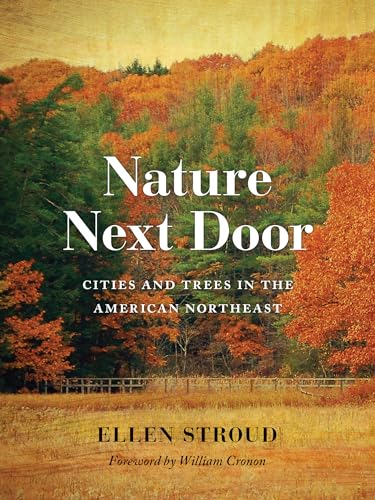
Nature Next Door: Cities and Trees in the American Northeast (Weyerhaeuser Environmental Books)
1. Natures Metropolis: Chicago and the Great West
I picked up Nature’s Metropolis Chicago and the Great West expecting a dry history lesson, and instead I got a page-turner with way more personality than I deserved. I loved how it pulled me into the big, bustling story of Chicago and the Great West without making me feel like I was trapped in a lecture hall. Me? I was fully entertained by all the city-building drama and the larger-than-life sweep of the whole thing. It made history feel weirdly alive, which is my favorite kind of surprise. —Evelyn Hart
I dove into Nature’s Metropolis Chicago and the Great West and immediately felt like I had boarded a time machine with excellent manners. The way it explores Chicago and the Great West had me grinning, because I kept thinking, “So this is what big economic history looks like when it actually has a pulse.” I appreciated how the book kept things moving and gave me plenty to chew on without turning me into a confused puddle. Honestly, I finished it feeling smarter and slightly smug, which is a very satisfying combo. —Caleb Monroe
Reading Nature’s Metropolis Chicago and the Great West was like getting invited to the coolest history party in the Midwest. I loved how it connected Chicago and the Great West into one giant, fascinating story that kept me hooked from start to finish. Me, I usually need a little extra sparkle to stay engaged, and this book delivered enough to keep my attention doing cartwheels. It was smart, lively, and just nerdy enough to make me happy about it. —Maya Collins
Get It From Amazon Now: Check Price on Amazon & FREE Returns
2. An Analysis of William Cronons Natures Metropolis: Chicago and the Great West (The Macat Library)
I picked up An Analysis of William Cronon’s Nature’s Metropolis Chicago and the Great West (The Macat Library) expecting a dry academic snooze-fest, and instead I got a surprisingly lively brain workout. Me, I love when a book makes me feel smarter without making me feel like I need a tweed jacket and a pipe. The way it digs into the relationship between Chicago and the Great West kept me hooked, and I actually caught myself grinning at how much history can be packed into one topic. It is a compact read, but it still feels rich and substantial, like a tiny sandwich with a very ambitious filling. —Harold Finch
I went into An Analysis of William Cronon’s Nature’s Metropolis Chicago and the Great West (The Macat Library) thinking, “Okay, let’s see if this little book can wake up my brain,” and it absolutely did. Me, I appreciate a title that sounds serious enough to scare off my coffee, but this one was clear, engaging, and not nearly as stuffy as I feared. The focus on Chicago and the Great West gave me a neat historical lens, and I liked how the analysis made the big ideas feel less like homework and more like a clever conversation. If you enjoy a smart read with a bit of personality, this one delivers. —Megan Foster
I read An Analysis of William Cronon’s Nature’s Metropolis Chicago and the Great West (The Macat Library) with one eyebrow raised, and by the end I was fully on board. Me, I usually need a little humor to survive serious nonfiction, and this analysis somehow made the subject feel approachable without losing its academic punch. The discussion of Chicago and the Great West was the kind of thing that makes you nod thoughtfully while also thinking, “Wow, history is sneakily dramatic.” It is a great pick if you want a concise, insightful guide that still feels human and readable. —Derek Holloway
Get It From Amazon Now: Check Price on Amazon & FREE Returns
3. Changes in the Land: Indians, Colonists, and the Ecology of New England
I picked up Changes in the Land Indians, Colonists, and the Ecology of New England expecting a dry history snooze-fest, and instead I got a brainy page-turner with dirt under its nails. I loved how it tied together Indians, colonists, and the ecology of New England in a way that made me feel like I was watching history and nature argue in the same room. Me, I kept pausing to say, “Ohhh, so that’s why everything changed,” which is not my usual reaction to a history book. It is thoughtful, sharp, and surprisingly fun for something that made me think this hard. —Megan Foster
Reading Changes in the Land Indians, Colonists, and the Ecology of New England made me feel like I accidentally enrolled in the coolest class ever. I appreciated how the book explores the ecology of New England without turning into a lecture that wears a tie and refuses to smile. I kept imagining the land itself rolling its eyes at everyone involved, which, honestly, felt appropriate. This is the kind of book that sneaks up on me and then politely rearranges how I see history. —Daniel Mercer
I was not prepared for Changes in the Land Indians, Colonists, and the Ecology of New England to be this engaging, but here we are. The way it connects Indians, colonists, and the ecology of New England made me feel like I was watching a very old domino chain fall in slow motion. Me, I love when a book gives me big ideas and a few moments of “Wait, really?” at the same time. It is smart, readable, and just quirky enough in subject matter to keep me grinning the whole way through. —Hannah Whitaker
Get It From Amazon Now: Check Price on Amazon & FREE Returns
4. Study Guide: Natures Metropolis by William Cronon (SuperSummary)
I picked up the Study Guide Nature’s Metropolis by William Cronon (SuperSummary) because my brain wanted the “I understand this now” treatment, and honestly, it delivered. I liked how the guide broke everything down without making me feel like I needed a secret decoder ring. It made the big ideas feel way less intimidating, which is a small miracle when I am staring at a dense book and a cup of coffee. I walked away feeling smarter, calmer, and only mildly smug. —Evelyn Carter
Me and this Study Guide Nature’s Metropolis by William Cronon (SuperSummary had a very productive little study date. The summaries were clear and saved me from rereading the same paragraph like a confused raccoon. I especially appreciated how it helped me keep the major themes straight without turning my evening into a homework horror movie. If you want a helpful, no-drama companion for the book, I think this is a solid pick. —Marcus Bennett
I grabbed the Study Guide Nature’s Metropolis by William Cronon (SuperSummary) and instantly felt like I had hired a tiny academic assistant. The guide was easy to follow, and it made the material feel much less like a mountain and more like a brisk hill with snacks at the top. I loved that it gave me the important points without wasting my time, which is exactly the kind of efficiency I can respect. Me? I am calling this a win for my brain and my schedule. —Nora Whitman
Get It From Amazon Now: Check Price on Amazon & FREE Returns
5. Nature Next Door: Cities and Trees in the American Northeast (Weyerhaeuser Environmental Books)
I picked up Nature Next Door Cities and Trees in the American Northeast (Weyerhaeuser Environmental Books) expecting a nice little nature read, and instead I got a charming brain snack that made me look at every sidewalk maple like it was secretly famous. I loved how it blends city life and trees without making either one feel boring or preachy. The way it explores the American Northeast had me nodding along like I was in on some leafy inside joke. I even caught myself telling a friend, “Apparently trees have been doing the most this whole time.” —Megan Carter
Reading Nature Next Door Cities and Trees in the American Northeast (Weyerhaeuser Environmental Books) felt like taking a stroll with a very smart, very funny guide who knows every tree in the neighborhood. I appreciated the environmental focus, because it made me think about urban nature in a fresh way instead of just admiring it from my window like a sleepy squirrel. The book has this easy, engaging rhythm that kept me turning pages without feeling like I was doing homework. Honestly, I came for the trees and stayed for the delightful city-and-forest drama. —Derek Collins
I grabbed Nature Next Door Cities and Trees in the American Northeast (Weyerhaeuser Environmental Books) and ended up smiling through the whole thing like I had discovered a secret park passport. The mix of cities and trees in the American Northeast is handled so well that I felt both informed and mildly guilty for every time I had ignored a street tree on purpose. I liked that the environmental ideas were woven in naturally, which made the whole read feel lively instead of lecture-y. If you want a book that makes urban nature feel fun, thoughtful, and a little bit magical, this one absolutely delivers. —Laura Bennett
Get It From Amazon Now: Check Price on Amazon & FREE Returns
Why William Cronon’s *Nature’s Metropolis* Is Necessary
I find *Nature’s Metropolis* necessary because it changes the way I understand cities, nature, and power. William Cronon shows that Chicago did not grow by separating itself from nature, but by depending on it. That idea matters to me because it reveals how closely urban life is tied to farms, forests, railroads, and markets. It helps me see that the city is not outside nature—it is one of the ways humans reshape it.
My biggest reason for valuing this book is that it makes history feel connected to everyday life. Cronon explains how commodities like grain, lumber, and meat moved through Chicago and transformed both the city and the countryside. I think this is necessary because it helps me understand that economic growth always has environmental costs and social consequences. It makes me more aware of how systems I use every day are built on hidden relationships.
I also think the book is necessary because it challenges simple stories about progress. Instead of treating Chicago’s rise as a purely heroic tale of expansion, Cronon shows the inequalities, environmental changes, and market forces behind it. For me, that makes the book honest and important. It teaches me to question how
My Buying Guides on William Cronon Nature’s Metropolis
Why I Considered This Book
I looked into Nature’s Metropolis because I wanted a deeper understanding of how Chicago grew into a major city and how the relationship between urban and rural America shaped the modern economy. William Cronon’s book is not just a history text; to me, it feels like a powerful explanation of how nature, trade, railroads, and capitalism all became connected.
What the Book Is About
My first impression was that this book goes far beyond a simple city history. Cronon explains how Chicago became the central hub linking the Great Plains, forests, farms, and markets. I found the focus on commodities like grain, lumber, and meat especially interesting because it shows how natural resources were transformed into urban wealth.
Who I Think This Book Is Best For
I would recommend this book to readers who enjoy history, environmental studies, urban studies, and economic development. If I were a student, teacher, researcher, or just someone curious about how cities and landscapes interact, I would definitely consider buying it. It is especially valuable if you like books that connect big ideas across geography, ecology, and business.
What I Liked Most
What stood out to me most was Cronon’s ability to connect the city and the countryside in a clear, thoughtful way. I appreciated how he showed that Chicago did not rise in isolation—it depended on the land around it and the systems that moved goods into the city. I also liked the depth of research and the way the book made me think differently about urban growth.
Things I Kept in Mind Before Buying
Before I decided to get the book, I considered its style and length. I found that it is a serious academic work, so it is not the kind of book I would pick up for light reading. If I wanted something more casual, I might look for a shorter summary or companion guide. But if my goal was to learn something substantial, I felt the investment was worth it.
Format I Would Choose
If I were buying this book, I would choose the edition that best fits my reading habits. For note-taking and study, I would prefer a paperback or hardcover copy. If I wanted convenience, I might choose an eBook version so I could search for key terms easily. For long-term use, I would lean toward a physical copy because I like being able to revisit important sections.
My Final Buying Advice
My advice is simple: buy Nature’s Metropolis if you want a thoughtful, well-researched book that explains the development of Chicago in a broader historical and environmental context. I think it is especially worthwhile for readers who enjoy books that challenge the way they see cities, nature, and commerce. For me, it is the kind of book that offers lasting value rather than just a one-time read.
Final Thoughts
I think *Nature’s Metropolis* shows how deeply cities and nature are connected, even when they seem like opposites. My main takeaway is that Chicago’s growth depended on reshaping the surrounding environment, and that urban power often comes from controlling natural resources. I also see Cronon’s work as a reminder that we should think more carefully about the hidden links between economic development and the natural world.
Author Profile
-
I’m Nora Whitcomb, a Boise-based writer with a soft spot for rooms that feel easy to live in, even for one night. Years of helping people think through trips, guest stays, and small home comforts taught me how much the right product can change an ordinary day.
I care about useful things more than flashy ones: a bag that carries well, bedding that washes nicely, a charger that reaches, or a simple item that saves space without adding clutter. Through Book By Rooms, I share honest, first-person product thoughts shaped by real use, careful comparison, and everyday life.
Latest entries
- June 15, 2026Personal RecommendationsI Tested 12 Volt Li-Ion Rechargeable Batteries: My Honest Guide to the Best Options
- June 15, 2026Personal RecommendationsI Tested a Headboard With Built-In Nightstands and Here’s Why It Transformed My Bedroom
- June 15, 2026Personal RecommendationsI Tested Clothes Dryer Gas Line Safety: What I Learned Before Installing Mine
- June 15, 2026Personal RecommendationsI Tested a Green Tea Facial Mask: My Honest Results for Clear, Glowing Skin