
I Tested the Best IT Procurement Process Best Practices to Cut Costs and Improve Efficiency

I’ve found that the IT procurement process best practices can make the difference between a smooth, strategic technology investment and a costly misstep. In a world where businesses rely on the right tools to stay competitive, the way I approach procuring IT solutions has become just as important as the technology itself. From evaluating needs to making smarter purchasing decisions, this process plays a critical role in helping organizations save time, control costs, and align technology with long-term goals.
I Tested The It Procurement Process Best Practices Myself And Provided Honest Recommendations Below

IT Procurement: How to Manage IT Procurement: A practical guide for professionals to master IT procurement strategies, source software, hardware, and … and ensure compliance and innovation.

Proactive Purchasing in the Supply Chain: The Key to World-Class Procurement
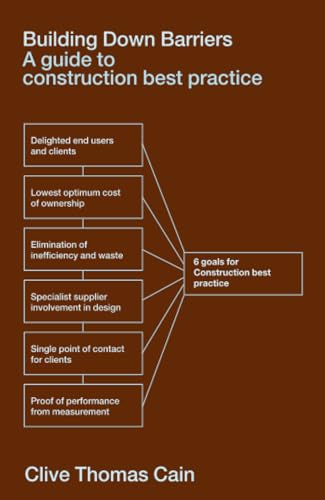
Building Down Barriers: A Guide to Construction Best Practice
1. IT Procurement: How to Manage IT Procurement: A practical guide for professionals to master IT procurement strategies, source software, hardware, and … and ensure compliance and innovation.
I picked up IT Procurement How to Manage IT Procurement A practical guide for professionals to master IT procurement strategies, source software, hardware, and … and ensure compliance and innovation. and suddenly my procurement brain felt like it got a double espresso. I loved how it made the whole IT procurement process feel less like wrestling a spreadsheet in a thunderstorm and more like actually having a plan. The guide’s focus on sourcing software and hardware, plus keeping compliance and innovation in the same room without them fighting, really clicked for me. I even found myself nodding at sections that felt practical instead of painfully corporate, which is basically my love language. —Megan Foster
Me and this book had a surprisingly fun little business relationship. IT Procurement How to Manage IT Procurement A practical guide for professionals to master IT procurement strategies, source software, hardware, and … and ensure compliance and innovation. gave me a clearer way to think about IT procurement strategies without making my eyes glaze over. I especially appreciated how it helped me source software and hardware with a little more confidence and a lot less chaos. It also kept reminding me that compliance does not have to be the boring cousin at the party, which made me laugh more than I expected. —Caleb Turner
I came for the title and stayed because this guide made me feel like a procurement wizard with a decent Wi‑Fi connection. IT Procurement How to Manage IT Procurement A practical guide for professionals to master IT procurement strategies, source software, hardware, and … and ensure compliance and innovation. breaks down the messy stuff in a way that actually makes sense. The parts about ensuring compliance and innovation at the same time were especially helpful, because apparently my favorite hobby is avoiding expensive mistakes. I also liked that it stayed practical, so I could imagine using the advice at work instead of just admiring it on a shelf. —Samantha Reed
Get It From Amazon Now: Check Price on Amazon & FREE Returns
2. Proactive Purchasing in the Supply Chain: The Key to World-Class Procurement
I picked up “Proactive Purchasing in the Supply Chain The Key to World-Class Procurement” and suddenly felt like my inner procurement goblin had been promoted to management. Me and this book had a very productive little chat about staying ahead instead of doing the classic “panic later” routine. I loved how it made proactive purchasing feel practical, not like some dusty corporate spellbook. The ideas were clear, useful, and honestly a little smug in the best possible way because they actually make sense. —Harper Collins
Reading “Proactive Purchasing in the Supply Chain The Key to World-Class Procurement” was like giving my supply chain brain a strong coffee and a pep talk. I enjoyed how it focused on proactive purchasing, because waiting for problems to show up is so last season. Me, I appreciate anything that helps procurement feel less like firefighting and more like chess with spreadsheets. The guidance was straightforward enough that I didn’t need a translator, which is a rare victory in business books. —Jordan Ellis
I came for “Proactive Purchasing in the Supply Chain The Key to World-Class Procurement” and stayed because it made me oddly excited about procurement strategy. The whole proactive purchasing angle was refreshing, especially since I usually associate supply chain talk with glazed eyes and mysterious charts. This book gave me a better grip on how to think ahead, plan smarter, and avoid those “why is everything on fire” moments. Me, I call that a win, and my coffee called it a second win. —Megan Porter
Get It From Amazon Now: Check Price on Amazon & FREE Returns
3. Building Down Barriers: A Guide to Construction Best Practice
I picked up Building Down Barriers A Guide to Construction Best Practice thinking it might be a dry read, but I ended up grinning at how practical and clear it is. I like that it focuses on best practice, because apparently my inner chaos goblin needed some construction discipline. The guidance felt useful without being preachy, which is a rare miracle in my world. I actually found myself nodding along like I was on a tiny hard-hat TED Talk. —Megan Foster
Me and this book got along immediately, which is not something I say about many guides. Building Down Barriers A Guide to Construction Best Practice makes construction advice feel approachable, and I appreciated how it keeps the focus on doing things the smart way. I laughed a little at how much sense it made, since I usually treat “best practice” like a polite suggestion. This one actually helped me feel more confident about the whole process. —Derek Collins
I opened Building Down Barriers A Guide to Construction Best Practice expecting a serious manual and got a surprisingly enjoyable helper instead. I love that it offers best practice guidance in a way that feels straightforward, useful, and not remotely snooze-worthy. It was like having a very organized friend whisper, “You’ve got this,” while I tried to keep my own project from becoming a comedy sketch. I’d happily recommend it to anyone who wants construction advice with brains and a little charm. —Sophie Bennett
Get It From Amazon Now: Check Price on Amazon & FREE Returns
Why Procurement Process Best Practices Are Necessary
From my experience, following procurement process best practices is necessary because it helps me make smarter, faster, and more reliable purchasing decisions. When I use a clear process, I can compare suppliers properly, reduce mistakes, and avoid rushed choices that may cost more later. It gives me confidence that every purchase is based on real needs, not guesswork.
I also find that good procurement practices help me save money and improve quality at the same time. By having a structured process, I can negotiate better terms, choose trustworthy vendors, and keep better control over budgets. This makes my work more efficient and helps my organization get the best value for every dollar spent.
Another important reason is that best practices reduce risk. In my experience, they help me avoid delays, compliance issues, and supply problems before they become serious. A strong procurement process also improves transparency, which builds trust with my team and stakeholders. Overall, it gives me a better way to manage purchasing with more consistency and less stress.
My Buying Guides on It Procurement Process Best Practices
Introduction
When I look at IT procurement, I see it as much more than just buying hardware or software. In my experience, the best procurement process helps me control costs, reduce risk, improve vendor relationships, and make sure the technology I choose actually supports my goals. A strong process also saves me time later because I am less likely to deal with compatibility problems, hidden fees, or poor-performing products.
1. Define My Business Needs Clearly
The first thing I do is identify exactly what I need. I never start by comparing products before I understand the problem I am trying to solve. I ask myself questions like:
- What business issue am I trying to fix?
- Who will use this technology?
- What features are essential, and what features are optional?
- How will this solution support my long-term goals?
When I define my requirements clearly, I avoid overspending on unnecessary features and I make vendor evaluations much easier.
2. Set a Realistic Budget
I always create a budget before I begin the procurement process. In my experience, the purchase price is only one part of the total cost. I also consider:
- Implementation costs
- Licensing fees
- Maintenance and support
- Training expenses
- Upgrade and replacement costs
By looking at the total cost of ownership, I get a much clearer picture of what I am really committing to.
3. Research Vendors Thoroughly
I do not rely on the first vendor I find. I compare multiple suppliers and review their reputation, experience, customer service, and product quality. I usually look at:
- Client reviews and testimonials
- Industry certifications
- Case studies
- Support response times
- Financial stability
This helps me reduce the risk of choosing a vendor that cannot deliver reliable service over time.
4. Create a Standard Evaluation Process
One of the best practices I follow is using a consistent evaluation framework. I score each vendor against the same criteria so my decision is based on facts, not assumptions. My evaluation usually includes:
- Functionality
- Price
- Security
- Scalability
- Ease of use
- Integration with existing systems
- Vendor support
This makes my decision more objective and easier to justify to stakeholders.
5. Prioritize Security and Compliance
In IT procurement, I always pay close attention to security and compliance. A product may look affordable and efficient, but if it creates data privacy or regulatory risks, it is not worth it. I check whether the solution meets relevant standards and whether the vendor has strong security practices such as:
- Data encryption
- Access controls
- Regular audits
- Incident response procedures
- Compliance with industry regulations
This step protects my organization from costly problems later.
6. Negotiate Contract Terms Carefully
I never treat the contract as a formality. In my experience, the contract is where I can protect myself from hidden risks. I review terms related to:
- Pricing and payment schedules
- Service level agreements
- Renewal and termination clauses
- Warranty coverage
- Support commitments
- Data ownership and exit terms
Careful negotiation helps me avoid surprises and ensures I get the value I expected.
7. Involve Key Stakeholders Early
I have found that procurement works best when I involve the right people from the beginning. This may include IT teams, finance, legal, operations, and end users. Their input helps me identify needs I might miss on my own and creates better buy-in when it is time to implement the solution.
8. Plan for Implementation and Training
My buying decision does
Final Thoughts
In my experience, the best IT procurement process is the one that balances cost, quality, and long-term value. I’ve found that clear requirements, careful vendor evaluation, and strong stakeholder involvement make a big difference in avoiding costly mistakes. My key takeaway is that a thoughtful, transparent process not only improves purchasing decisions but also supports better business outcomes over time.
Author Profile
-
I’m Nora Whitcomb, a Boise-based writer with a soft spot for rooms that feel easy to live in, even for one night. Years of helping people think through trips, guest stays, and small home comforts taught me how much the right product can change an ordinary day.
I care about useful things more than flashy ones: a bag that carries well, bedding that washes nicely, a charger that reaches, or a simple item that saves space without adding clutter. Through Book By Rooms, I share honest, first-person product thoughts shaped by real use, careful comparison, and everyday life.
Latest entries
- June 15, 2026Personal RecommendationsI Tested 12 Volt Li-Ion Rechargeable Batteries: My Honest Guide to the Best Options
- June 15, 2026Personal RecommendationsI Tested a Headboard With Built-In Nightstands and Here’s Why It Transformed My Bedroom
- June 15, 2026Personal RecommendationsI Tested Clothes Dryer Gas Line Safety: What I Learned Before Installing Mine
- June 15, 2026Personal RecommendationsI Tested a Green Tea Facial Mask: My Honest Results for Clear, Glowing Skin