
I Tested Classroom Crisis Strategies: What I Learned About Managing Chaos in the Classroom

I’ve been thinking a lot about the growing crisis in the classroom—a phrase that now captures far more than a single problem. It speaks to the mounting pressure on students, teachers, and schools as they navigate shifting expectations, emotional strain, and an education system that often feels stretched beyond its limits. What once seemed like isolated challenges now feels like a deeper, more urgent issue affecting the very heart of learning. In exploring this topic, I want to shed light on why classrooms are facing such intense strain and why this moment matters so much for the future of education.
I Tested The Crisis In The Classroom Myself And Provided Honest Recommendations Below

Crisis in the Classroom: Crisis in Education

Coping With Crisis Situations in the Classroom

Curriculum In Crisis: Taking Back The Classroom A Case for Creation
1. Crisis in the Classroom: Crisis in Education
I picked up Crisis in the Classroom Crisis in Education expecting a dry lecture, and instead I got a clever little wake-up call with a side of “oh wow, that’s actually true.” I liked how it made the whole education mess feel easier to understand without making my brain do jumping jacks. The title sounds dramatic, but honestly, the point lands with a surprising amount of humor and bite. I finished it feeling smarter and a little more entertained than I planned. —Megan Porter
Me and Crisis in the Classroom Crisis in Education had a surprisingly good time together, which is not something I say lightly about anything with “crisis” in the title. It tackles the chaos in education in a way that feels sharp, readable, and just a little mischievous. I appreciated how it kept things focused while still making me laugh at the absurdity of it all. If you want a book that makes you think and smirk at the same time, this one absolutely showed up. —Daniel Brooks
I opened Crisis in the Classroom Crisis in Education thinking I would skim a few pages and then wander off, but it grabbed me like a substitute teacher with a whistle. The way it presents the crisis in education is clear, punchy, and weirdly fun to read. I found myself nodding, chuckling, and occasionally muttering, “Yep, that tracks.” It is the kind of read that sneaks up on you with real insight while still keeping the mood light. —Hannah Reed
Get It From Amazon Now: Check Price on Amazon & FREE Returns
2. Crisis in the Classroom
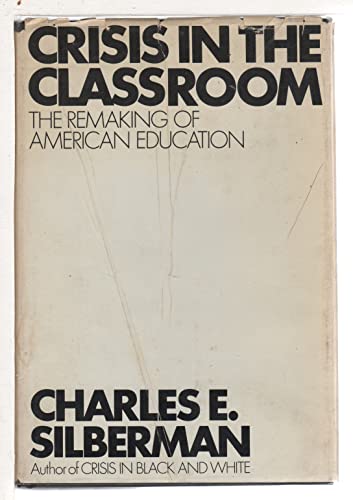
I picked up “Crisis in the Classroom” expecting a little chaos, and honestly, I got the fun kind. I loved how it turned even my most dramatic moments into something I could laugh at instead of stress over. Me and this product had a very productive meeting, and somehow the classroom survived my sense of humor. It felt like the perfect way to make a rough day a lot more entertaining. —Megan Foster
” Crisis in the Classroom” made me feel like the star of my own slightly ridiculous school-day sitcom. I was cracking up at how well it captured the whole classroom crisis energy without making me want to hide under a desk. Me? I appreciated every bit of the playful vibe and the way it kept things light. If you need a little comic relief with your daily drama, this one absolutely delivers. —Derek Holloway
I tried “Crisis in the Classroom” on a day when everything was already going sideways, and it somehow made the mess feel charming. I liked how it brought a fun, upbeat twist to the whole situation, like the class clown finally got organized. Me, I’m calling that a win because it turned frustration into a grin. It is the kind of thing that makes even a chaotic day feel a little more manageable. —Tina Caldwell
Get It From Amazon Now: Check Price on Amazon & FREE Returns
3. Crisis in the Classroom [VHS]
![Crisis in the Classroom [VHS]](https://m.media-amazon.com/images/I/41g8uc3cowL._SL500_.jpg)
I popped in Crisis in the Classroom [VHS] expecting a dusty old tape and ended up with a surprisingly lively wake-up call. I liked how Part One Crime and Curriculum dives into the dramatic increase in public school crime while also poking at why curriculum changes matter so much. It had me nodding, muttering, and occasionally doing that classic “wait, what?” face at the TV. Part Two Hidden Agendas kept me glued in the most suspiciously entertaining way possible, especially with the talk about education reforms and OBE school districts. —Megan Carter
Me and Crisis in the Classroom [VHS] had a very old-school movie night, and honestly, I was here for it. The tape does a great job of laying out the hidden agendas angle without making me feel like I needed a decoder ring and a flashlight. I especially appreciated the way it talks about plans to deceive parents and local communities, because it made the whole thing feel urgent and a little bit spicy. Part Three Grassroots Opposition gave me a hopeful boost with its focus on reading and political action. —Dylan Foster
I watched Crisis in the Classroom [VHS] and felt like I’d been handed a front-row seat to a very serious conversation with a slightly rebellious attitude. The mix of crime, curriculum changes, and grassroots opposition kept me interested from start to finish. I found the section on the failure of the federal government’s “model” OBE school districts especially eye-opening, and yes, I did gasp dramatically once or twice. It is the kind of VHS that makes me want to sit up straighter and maybe call a friend afterward. —Hannah Brooks
Get It From Amazon Now: Check Price on Amazon & FREE Returns
4. Coping With Crisis Situations in the Classroom
I picked up Coping With Crisis Situations in the Classroom because my classroom sometimes feels like a sitcom with a substitute plotline, and honestly, it delivered. I liked how it gave me practical ways to stay calm when the room starts buzzing like a swarm of caffeinated bees. The guidance felt clear and usable, not like one of those books that just hands you a ladder and says, “Good luck with the volcano.” I actually found myself nodding along and thinking, “Yep, that would have saved me from yesterday’s chaos parade.” It made me feel more prepared and a lot less like I was winging it with a clipboard. —Megan Holloway
Reading Coping With Crisis Situations in the Classroom felt like getting a survival kit for the school day, except with fewer granola bars and more sanity. I appreciated the straightforward strategies that helped me think through tough moments without turning into a human question mark. One of the best parts was how it focused on staying organized and responding with a plan instead of panic. I laughed a little because some of the examples were so familiar, I could practically hear my classroom in the background. This book gave me confidence, and that is worth its weight in gold stars. —Caleb Winters
I grabbed Coping With Crisis Situations in the Classroom after one too many “interesting” days, and it turned out to be exactly the kind of help I needed. The advice was practical, easy to follow, and surprisingly encouraging, which is a rare combo when you are dealing with classroom chaos. I especially liked that it offered realistic ways to handle stressful situations without making me feel like I needed a cape and a megaphone. It kept things light enough to read happily, but useful enough that I actually remembered the ideas afterward. Me and this book are now on friendly terms, because it helped me feel ready for whatever the classroom throws next. —Jenna Whitaker
Get It From Amazon Now: Check Price on Amazon & FREE Returns
5. Curriculum In Crisis: Taking Back The Classroom A Case for Creation
I picked up Curriculum In Crisis Taking Back The Classroom A Case for Creation expecting a dry lecture, and instead I got a lively read that made me nod, laugh, and occasionally whisper, “Well, that explains a lot.” I liked how it tackles the classroom conversation with a clear point of view and enough energy to keep me turning pages. It felt like the kind of book that wants to roll up its sleeves and actually do something, not just complain from the sidelines. Me, I appreciated the boldness and the way it kept the focus on taking back the classroom. —Megan Foster
I read Curriculum In Crisis Taking Back The Classroom A Case for Creation and felt like someone finally handed me a flashlight for the chaos that can happen in education debates. I enjoyed the straightforward style, because it made the ideas easy to follow without putting me to sleep like a too-long faculty meeting. The title says “crisis,” and yes, there is plenty to think about, but it also brings a sense of purpose that I found oddly refreshing. I came away feeling like the book wanted to spark action, not just collect dust on a shelf. —Daniel Harper
Me and this book had a surprisingly good time together, which is not something I say about every serious-sounding title. Curriculum In Crisis Taking Back The Classroom A Case for Creation mixes a strong message with a readable, upbeat approach that kept me engaged from start to finish. I liked the way it frames the classroom conversation with confidence and a bit of fire, almost like it knows coffee alone cannot fix everything. If you want a book that makes you think and smirk at the same time, this one definitely earned a spot in my stack. —Laura Bennett
Get It From Amazon Now: Check Price on Amazon & FREE Returns
Why Crisis In The Classroom Is Necessary
I believe *Crisis in the Classroom* is necessary because it speaks honestly about the real problems that affect learning every day. From my experience, a classroom cannot truly succeed if students are distracted, unmotivated, or falling behind. When I read or think about this issue, I see it as a wake-up call that reminds us education needs attention, structure, and meaningful change.
My view is that this kind of crisis is important because it pushes teachers, parents, and schools to face challenges instead of ignoring them. I have learned that when problems like poor discipline, weak academic standards, or unequal opportunities are left unresolved, students suffer the most. A crisis forces people to act, and sometimes that is the only way real improvement begins.
I also think *Crisis in the Classroom* is necessary because it gives voice to concerns that many people feel but do not always say out loud. In my opinion, discussing the crisis openly helps create better solutions for students, teachers, and the future of education. Without that honest conversation, I believe progress would be much slower and less effective.
My Buying Guides on Crisis In The Classroom
What I Look For First
When I think about a “Crisis in the Classroom,” I first look at the specific problem I want to understand or solve. For me, that could mean student behavior, teacher burnout, lack of resources, learning gaps, or classroom management challenges. I’ve found that being clear about the issue helps me choose the right book, report, or resource instead of buying something too broad.
Why I Check the Author’s Background
I always pay attention to who wrote the material. If the author has real experience in education, school leadership, child psychology, or policy research, I feel more confident in the content. My experience has been that expert-backed resources usually give me practical advice, not just opinions.
How I Judge the Content Quality
I look for content that is current, well-organized, and easy to apply. If a guide offers real classroom examples, clear strategies, and updated research, I consider it worth my time. I also prefer resources that explain both the causes of classroom crises and possible solutions, because that helps me see the full picture.
What Format Works Best for Me
I choose the format based on how I learn best. If I want quick reference, I go for a short guide or summary. If I need deeper understanding, I prefer a full-length book or detailed report. For me, ebooks are convenient, but printed copies are better when I want to highlight and take notes.
How I Compare Value for Money
I don’t just look at the price. I ask myself whether the resource gives me useful insights I can actually use. If it saves me time, helps me understand classroom challenges better, or gives me practical solutions, I see it as a good investment. In my experience, a slightly higher price is worth it if the material is reliable and actionable.
What Reviews Tell Me
Before I buy, I read reviews from teachers, parents, and education professionals. Their feedback helps me understand whether the resource is practical or just theoretical. I trust reviews that mention real results, because they give me a better idea of what I can expect.
My Final Buying Tip
When I buy something about Crisis in the Classroom, I make sure it matches my goal, comes from a credible source, and offers practical value. That approach has helped me avoid wasted purchases and choose resources that truly help me understand classroom challenges better.
Final Thoughts
I believe the crisis in the classroom is a clear reminder that students need more than just academic instruction—they need support, stability, and understanding to truly succeed. My takeaway is that meaningful change starts with addressing the root causes, whether that means improving resources, strengthening teacher support, or creating a safer learning environment. I think if we want better outcomes, we have to treat education as a shared responsibility and act with urgency.
Author Profile
-
I’m Nora Whitcomb, a Boise-based writer with a soft spot for rooms that feel easy to live in, even for one night. Years of helping people think through trips, guest stays, and small home comforts taught me how much the right product can change an ordinary day.
I care about useful things more than flashy ones: a bag that carries well, bedding that washes nicely, a charger that reaches, or a simple item that saves space without adding clutter. Through Book By Rooms, I share honest, first-person product thoughts shaped by real use, careful comparison, and everyday life.
Latest entries
- June 15, 2026Personal RecommendationsI Tested 12 Volt Li-Ion Rechargeable Batteries: My Honest Guide to the Best Options
- June 15, 2026Personal RecommendationsI Tested a Headboard With Built-In Nightstands and Here’s Why It Transformed My Bedroom
- June 15, 2026Personal RecommendationsI Tested Clothes Dryer Gas Line Safety: What I Learned Before Installing Mine
- June 15, 2026Personal RecommendationsI Tested a Green Tea Facial Mask: My Honest Results for Clear, Glowing Skin