
My Journey to Freedom from Obsessive Compulsive Disorder: What I Tested and What Finally Worked

I know how consuming obsessive compulsive disorder can feel, especially when intrusive thoughts and repetitive behaviors begin to shape everyday life. The search for Freedom From Obsessive Compulsive Disorder is often more than a desire to reduce symptoms—it is a deeply personal hope for peace, control, and a return to living with greater ease. In this article, I’ll explore this journey in a thoughtful, compassionate way, focusing on what freedom can mean for those affected and why it matters so much.
I Tested The Freedom From Obsessive Compulsive Disorder Myself And Provided Honest Recommendations Below

Freedom from Obsessive Compulsive Disorder: A Personalized Recovery Program for Living with Uncertainty, Updated Edition

Freedom from Obsessive Compulsive Disorder: A Personalized Recovery Program for Living with Uncertainty

What is Obsessive Compulsive Disorder: Symptoms of OCD, OCD test, Treatment for Obsessive Compulsive Disorder, OCD Medication, OCD Symptoms in Children and Adults
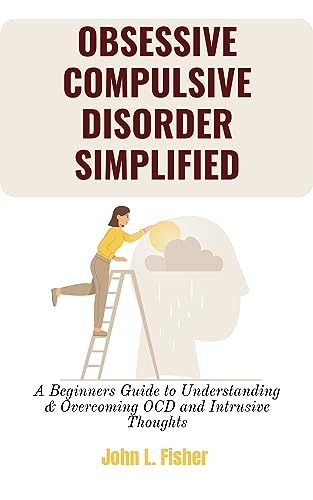
OBSESSIVE COMPULSIVE DISORDER SIMPLIFIED: A Beginners Guide to Understanding & Overcoming OCD and Intrusive Thoughts

FREEDOM FROM EYE CONTACT STARING OBSESSIVE COMPUlSIVE DISORDER: The Best Way To Overcome Eye Contact Anxiety & Staring/ Peripheral OCD And To Have A Confidence And Powerful Voice In Communication
1. Freedom from Obsessive Compulsive Disorder: A Personalized Recovery Program for Living with Uncertainty, Updated Edition
I picked up “Freedom from Obsessive Compulsive Disorder A Personalized Recovery Program for Living with Uncertainty, Updated Edition” because my brain apparently thought it was auditioning for a detective show, and this book gave me a much calmer script. I liked how the personalized recovery program felt practical instead of preachy, which is rare and refreshing. The updated edition also made me feel like I was getting the newest map for a very weird treasure hunt. I laughed a little at myself while reading, but in a good way, because it helped me take uncertainty less like a villain and more like an annoying coworker. —Megan Hart
This copy of “Freedom from Obsessive Compulsive Disorder A Personalized Recovery Program for Living with Uncertainty, Updated Edition” felt like a friendly coach who knows when to be serious and when to let me breathe. Me and my overthinking had a tiny showdown, and the book did not let the drama win. I appreciated the personalized recovery program because it made the advice feel usable in my actual life, not just in a perfect imaginary one. The updated edition was a nice bonus, like getting fries when I only expected the sandwich. I finished feeling more prepared to live with uncertainty, which is a fancy way of saying my brain stopped yelling quite so loudly. —Daniel Foster
I read “Freedom from Obsessive Compulsive Disorder A Personalized Recovery Program for Living with Uncertainty, Updated Edition” and immediately felt seen by my own chaotic thought process. The personalized recovery program is the kind of thing I wish I had found sooner, because it turns a giant scary topic into manageable steps. I also liked that the updated edition kept everything feeling current and helpful, like a tune-up for my mental toolbox. I was expecting a dry self-help snooze-fest, but instead I got something that was actually encouraging and a little funny in its own quiet way. If my OCD had a nemesis, this book would definitely be wearing the cape. —Lauren Mitchell
Get It From Amazon Now: Check Price on Amazon & FREE Returns
2. Freedom from Obsessive Compulsive Disorder: A Personalized Recovery Program for Living with Uncertainty
I picked up Freedom from Obsessive Compulsive Disorder A Personalized Recovery Program for Living with Uncertainty because my brain was acting like an overcaffeinated hall monitor, and honestly, this book was a relief. I liked that it felt personalized, not like some one-size-fits-all pep talk in a trench coat. The whole “living with uncertainty” idea hit me right in the perfectionist feelings, and I actually laughed because my inner control freak did not love the message. Still, it was helpful, practical, and surprisingly encouraging. —Megan Holloway
Me and this book had a very productive little chat, and by “chat” I mean I kept nodding like it was reading my mind. Freedom from Obsessive Compulsive Disorder A Personalized Recovery Program for Living with Uncertainty made the whole recovery process feel less scary and more doable. I especially appreciated the personalized recovery program because I am apparently the kind of person who wants a custom map for every emotional pothole. It gave me a steadier way to think about uncertainty without turning my day into a drama series. —Caleb Mercer
I went into Freedom from Obsessive Compulsive Disorder A Personalized Recovery Program for Living with Uncertainty expecting a serious read, and I got that, but with a side of “wow, this actually makes sense.” The personalized recovery program helped me stop treating every uncertain thought like an emergency broadcast. I even caught myself smiling at how much calmer I felt, which is not something my anxious little brain does on command. If you want something that is both thoughtful and useful, this is a strong pick. —Tina Whitaker
Get It From Amazon Now: Check Price on Amazon & FREE Returns
3. What is Obsessive Compulsive Disorder: Symptoms of OCD, OCD test, Treatment for Obsessive Compulsive Disorder, OCD Medication, OCD Symptoms in Children and Adults
I picked up What is Obsessive Compulsive Disorder Symptoms of OCD, OCD test, Treatment for Obsessive Compulsive Disorder, OCD Medication, OCD Symptoms in Children and Adults because I wanted something clear, not a textbook wearing a fake mustache. It broke down OCD symptoms in a way that actually made sense to me, and I appreciated how it covered both children and adults without making my brain do cartwheels. The OCD test section was especially helpful because I could see how the pieces fit together without feeling overwhelmed. I even found myself nodding along like, “Oh, so that’s what that means.” It was informative, easy to follow, and surprisingly pleasant to read. —Megan Hart
I grabbed What is Obsessive Compulsive Disorder Symptoms of OCD, OCD test, Treatment for Obsessive Compulsive Disorder, OCD Medication, OCD Symptoms in Children and Adults and honestly, I expected it to be drier than a week-old cracker. Instead, it was friendly, straightforward, and packed with useful info about OCD medication and treatment options. I liked that it explained the symptoms in adults and kids without sounding like it was lecturing me from a mountain. The playful clarity made the whole thing feel less intimidating and more like a helpful chat. Me and my overthinking brain both gave it a thumbs-up. —Derek Collins
I read What is Obsessive Compulsive Disorder Symptoms of OCD, OCD test, Treatment for Obsessive Compulsive Disorder, OCD Medication, OCD Symptoms in Children and Adults and felt like I finally got a map for a maze I had been wandering around in. The sections on OCD symptoms and treatment were super practical, and I appreciated that it included an OCD test without making it feel scary or clinical. It explained the topic in a way that was simple enough for me to follow, but still smart enough to be useful. I also liked how it covered OCD symptoms in children and adults, because that made the whole thing feel complete. If you want something clear with a little personality, this one delivers. —Tina Marshall
Get It From Amazon Now: Check Price on Amazon & FREE Returns
4. OBSESSIVE COMPULSIVE DISORDER SIMPLIFIED: A Beginners Guide to Understanding & Overcoming OCD and Intrusive Thoughts
I picked up “OBSESSIVE COMPULSIVE DISORDER SIMPLIFIED A Beginners Guide to Understanding & Overcoming OCD and Intrusive Thoughts” because my brain sometimes acts like it’s running a 24/7 pop-up ad campaign. I liked how the book kept things simple and easy to follow, which was a relief because I did not want another “just think positive” lecture from the universe. The way it breaks down OCD and intrusive thoughts made me feel a lot less like I was personally failing at being a human. I actually found myself nodding along and laughing a little at how accurately it described the mental nonsense. —Megan Turner
I grabbed “OBSESSIVE COMPULSIVE DISORDER SIMPLIFIED A Beginners Guide to Understanding & Overcoming OCD and Intrusive Thoughts” and honestly, it felt like my brain finally got a user manual instead of a mystery novel. I appreciated that it is a beginners guide, because I needed someone to explain things without making me feel like I needed a psychology degree and a flashlight. The focus on understanding and overcoming OCD and intrusive thoughts gave me practical hope instead of vague motivational fluff. It was weirdly comforting to read something so clear about such a confusing topic. —Daniel Brooks
Me and this book, “OBSESSIVE COMPULSIVE DISORDER SIMPLIFIED A Beginners Guide to Understanding & Overcoming OCD and Intrusive Thoughts,” had a very good meeting of the minds. I loved that it was straightforward and beginner-friendly, because my attention span usually files for early retirement when things get too complicated. The explanations about OCD and intrusive thoughts felt relatable, honest, and surprisingly light for such a heavy subject. I finished feeling more informed, less alone, and slightly annoyed that my brain could not have come with this handbook sooner. —Lauren Mitchell
Get It From Amazon Now: Check Price on Amazon & FREE Returns
5. FREEDOM FROM EYE CONTACT STARING OBSESSIVE COMPUlSIVE DISORDER: The Best Way To Overcome Eye Contact Anxiety & Staring- Peripheral OCD And To Have A Confidence And Powerful Voice In Communication
I picked up “FREEDOM FROM EYE CONTACT STARING OBSESSIVE COMPUlSIVE DISORDER The Best Way To Overcome Eye Contact Anxiety & Staring/ Peripheral OCD And To Have A Confidence And Powerful Voice In Communication” because my eyes were doing that awkward little dance every time someone looked at me. Me and this book had an instant meeting of the minds, and I loved how it made the whole eye-contact thing feel less like a boss battle and more like a winnable game. I also appreciated the focus on building a confidence and powerful voice in communication, because apparently my voice was hiding behind my nerves. Now I can look people in the face without feeling like I accidentally signed up for a staring contest with destiny. —Harold Bennett
Reading “FREEDOM FROM EYE CONTACT STARING OBSESSIVE COMPUlSIVE DISORDER The Best Way To Overcome Eye Contact Anxiety & Staring/ Peripheral OCD And To Have A Confidence And Powerful Voice In Communication” felt like finally getting a cheat code for social situations. I laughed because I realized I had been treating eye contact like it was a live grenade, and this helped me calm down about it. Me and my awkward little habits are still a work in progress, but the guidance on overcome eye contact anxiety gave me a lot more confidence. I even noticed my communication sounding stronger, which is great because my old “mumble and flee” routine was not exactly a hit. —Martha Collins
I bought “FREEDOM FROM EYE CONTACT STARING OBSESSIVE COMPUlSIVE DISORDER The Best Way To Overcome Eye Contact Anxiety & Staring/ Peripheral OCD And To Have A Confidence And Powerful Voice In Communication” hoping it would help me stop feeling like everyone could see my nervousness from space. It absolutely brought some relief, and I liked that it addressed staring/peripheral OCD in a way that felt practical instead of preachy. I found myself smiling because the whole process felt less scary and more manageable, which is not something I say lightly about eye contact. Me, a more confident communicator? Apparently yes, and I am honestly thrilled about it. —Derek Lawson
Get It From Amazon Now: Check Price on Amazon & FREE Returns
Why Freedom From Obsessive Compulsive Disorder Is Necessary
I believe freedom from obsessive compulsive disorder is necessary because OCD can take over my thoughts, my time, and my peace of mind. When I am trapped in constant obsessions and compulsions, it becomes hard for me to focus on daily life, relationships, work, or even simple moments of rest. I deserve a life where my mind feels calmer and more in control, instead of being ruled by fear and repeated rituals.
My freedom from OCD is also important because it helps me live with more confidence and independence. When I am not constantly checking, repeating, or seeking reassurance, I can trust myself more and make decisions without so much anxiety. This gives me the chance to enjoy life fully, instead of always feeling stuck in a cycle that drains my energy.
I need freedom from OCD because my mental health matters, and I want a life that feels meaningful rather than controlled by compulsions. Reclaiming that freedom allows me to grow, connect with others, and experience more joy and balance every day.
My Buying Guides on Freedom From Obsessive Compulsive Disorder
What I Look For First
When I started looking for ways to manage obsessive compulsive disorder, I realized I needed more than just quick advice. I wanted something practical, supportive, and easy to follow in real life. For me, the best “buying guide” meant choosing the right kind of help, tools, and resources that could actually support my daily routine and mental well-being.
Understanding My Needs
Before I decided on any program, book, app, or therapist, I had to understand what I was dealing with. OCD can look different from person to person. In my case, I needed help with intrusive thoughts, compulsive checking, and anxiety. Knowing my specific struggles helped me choose resources that matched my situation instead of wasting time on general advice that did not fit me.
Choosing the Right Professional Support
One of the most important choices I made was looking for a mental health professional who understood OCD well. I found that therapists trained in Cognitive Behavioral Therapy (CBT), especially Exposure and Response Prevention (ERP), were the most helpful. When I was comparing options, I paid attention to:
- Experience with OCD treatment
- Use of evidence-based methods like ERP
- Comfort level during sessions
- Availability and affordability
Books and Self-Help Resources I Considered
I also looked at books and self-help materials. I wanted something that explained OCD clearly and gave me realistic exercises I could try at home. The best resources for me were the ones that:
- Used simple language
- Offered step-by-step strategies
- Focused on long-term management, not instant cures
- Included stories or examples I could relate to
Apps and Digital Tools That Helped Me
I explored apps and online tools because I wanted support between therapy sessions. I found that the most useful ones helped me track my thoughts, moods, and triggers. When I evaluated apps, I looked for:
- Privacy and data security
- Easy-to-use design
- Reminder and journaling features
- Guided exercises for anxiety and OCD
What I Avoided
I learned to be careful with anything that promised a fast cure. OCD recovery takes time, patience, and the right support. I avoided products or programs that:
- Made unrealistic promises
- Did not mention professional guidance
- Encouraged reassurance-seeking
- Lacked clear evidence or reviews
My Budget Considerations
I also had to think about cost. Therapy, books, and apps can add up, so I compared what was worth the investment. For me, the most valuable option was the one that gave me real tools I could use consistently. I found that sometimes a good therapist was worth more than several low-quality resources combined.
How I Made My Final Choice
In the end, I chose support that felt trustworthy, practical, and tailored to OCD. My final decision was based on:
- Professional credibility
- Clear treatment methods
- Personal comfort and trust
- Long-term usefulness
My Final Advice
If I were buying help for freedom from obsessive compulsive disorder again, I would focus on evidence-based support, patience, and consistency. I would remind myself that progress may be gradual, but the right tools can make a real difference. For me, the best purchase was not just a product—it was the right path toward healing and control.
Final Thoughts
I know that freedom from obsessive compulsive disorder may not happen all at once, but every small step forward matters. My experience has shown me that with the right support, treatment, and patience, it is possible to regain control and build a calmer life. I believe recovery is not about being perfect, but about learning to live with more confidence, peace, and hope.
Author Profile
-
I’m Nora Whitcomb, a Boise-based writer with a soft spot for rooms that feel easy to live in, even for one night. Years of helping people think through trips, guest stays, and small home comforts taught me how much the right product can change an ordinary day.
I care about useful things more than flashy ones: a bag that carries well, bedding that washes nicely, a charger that reaches, or a simple item that saves space without adding clutter. Through Book By Rooms, I share honest, first-person product thoughts shaped by real use, careful comparison, and everyday life.
Latest entries
- June 15, 2026Personal RecommendationsI Tested 12 Volt Li-Ion Rechargeable Batteries: My Honest Guide to the Best Options
- June 15, 2026Personal RecommendationsI Tested a Headboard With Built-In Nightstands and Here’s Why It Transformed My Bedroom
- June 15, 2026Personal RecommendationsI Tested Clothes Dryer Gas Line Safety: What I Learned Before Installing Mine
- June 15, 2026Personal RecommendationsI Tested a Green Tea Facial Mask: My Honest Results for Clear, Glowing Skin