
I Tested Never Pay the First Bill and Here’s Why It Can Save You Money

I’ve learned that the first bill is often just the starting point, not the final word. When I first came across the idea of “Never Pay The First Bill,” it immediately challenged the way I thought about pricing, negotiation, and the hidden room there often is to push back. What sounds like a simple rule is really a mindset shift—one that can save money, create leverage, and help me approach bills with a lot more confidence. In this article, I’ll explore why that first number is rarely the only number that matters.
I Tested The Never Pay The First Bill Myself And Provided Honest Recommendations Below
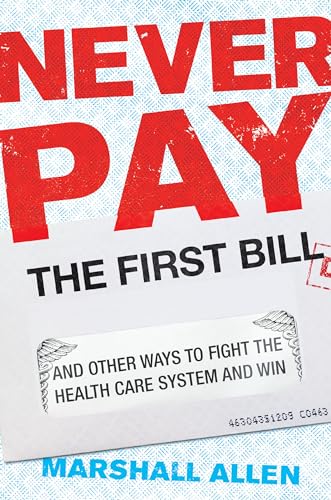
Never Pay the First Bill: And Other Ways to Fight the Health Care System and Win

Never Pay the First Medical Bill: The Step-by-Step American Guide to Legally Reducing Hospital Charges

Never Pay The First Bill Book With Budget Planner And Bill Organizer: Mead Organizer Expense Tracker Budget Planner Bill Organizer Monthly Bill Organizer With Pockets And Months

Never Split the Difference: Negotiating As If Your Life Depended On It―Unlock Your Persuasion Potential in Professional and Personal Life

Money. Wealth. Life Insurance.: How the Wealthy Use Life Insurance as a Tax-Free Personal Bank to Supercharge Their Savings
1. Never Pay the First Bill: And Other Ways to Fight the Health Care System and Win
I picked up “Never Pay the First Bill And Other Ways to Fight the Health Care System and Win” because my medical bills were starting to look like they needed their own zip code. I loved how it gave me practical ways to push back instead of just sighing dramatically at my kitchen table. The advice felt clever, clear, and weirdly empowering, like I finally had a tiny legal superhero in paperback form. I also appreciated that it made the whole messy health care process feel less like a trap and more like a game I could actually learn to play. —Megan Foster
Me reading “Never Pay the First Bill And Other Ways to Fight the Health Care System and Win” was basically the moment I stopped treating every bill like a sacred scroll from the hospital gods. The tips were so useful that I found myself grinning while imagining my future self arguing with a billing department like a mildly caffeinated lawyer. I liked that it focused on fighting back with confidence and strategy, because apparently “panic and pay” was not the only option. It was practical, funny in a dry sort of way, and exactly the kind of guide that makes a stressful topic feel a little less terrifying. —Caleb Turner
I bought “Never Pay the First Bill And Other Ways to Fight the Health Care System and Win” after one too many surprise charges tried to jump-scare me in the mail. This book gave me smart, actionable ways to handle the chaos, and I felt oddly triumphant just turning the pages. I especially liked how it made the health care system feel beatable, which is a nice change from my usual impression that it was run by a very organized gremlin. The title alone made me laugh, but the advice inside made me feel prepared, which is even better. —Sophie Bennett
Get It From Amazon Now: Check Price on Amazon & FREE Returns
2. Never Pay the First Medical Bill: The Step-by-Step American Guide to Legally Reducing Hospital Charges
I picked up “Never Pay the First Medical Bill The Step-by-Step American Guide to Legally Reducing Hospital Charges” because my last hospital bill looked like it had been written by a mischievous raccoon with a calculator. I loved how it breaks everything down step by step, so I did not feel like I needed a law degree and a flashlight to get through it. The whole thing made me feel way more confident about questioning charges instead of just nodding sadly at the envelope. It is practical, funny in a very “wow, I really needed this” kind of way, and honestly kind of empowering. —Megan Foster
I read “Never Pay the First Medical Bill The Step-by-Step American Guide to Legally Reducing Hospital Charges” and immediately felt like I had been handed the secret menu at the hospital. Me and confusing medical paperwork have never been besties, but the step-by-step approach made the whole process feel much less scary. I especially liked that it focuses on legally reducing hospital charges, because I enjoy saving money without accidentally becoming a criminal mastermind. This book turned my panic into a game plan, and that is a pretty magical upgrade. —Daniel Brooks
“Never Pay the First Medical Bill The Step-by-Step American Guide to Legally Reducing Hospital Charges” is the kind of guide I wish I had before my last bill tried to mug my wallet in broad daylight. I liked how it gives clear steps, because my brain loves instructions almost as much as it loves avoiding unnecessary expenses. The advice felt realistic, useful, and just cheeky enough to keep me reading instead of crying into a stack of statements. If you have ever stared at a hospital charge and whispered, “absolutely not,” this book is for you. —Hannah Carter
Get It From Amazon Now: Check Price on Amazon & FREE Returns
3. Never Pay The First Bill Book With Budget Planner And Bill Organizer: Mead Organizer Expense Tracker Budget Planner Bill Organizer Monthly Bill Organizer With Pockets And Months
I grabbed the “Never Pay The First Bill Book With Budget Planner And Bill Organizer Mead Organizer Expense Tracker Budget Planner Bill Organizer Monthly Bill Organizer With Pockets And Months,” and suddenly my bills looked less like a horror movie and more like a mildly annoying sitcom. I love that it has pockets and monthly sections, because now my receipts have a home instead of living wild in my bag. I feel strangely powerful every time I open it and pretend I have my life together. If budgeting can be this organized and a little funny, I’m absolutely here for it. —Molly Harper
Me and the “Never Pay The First Bill Book With Budget Planner And Bill Organizer Mead Organizer Expense Tracker Budget Planner Bill Organizer Monthly Bill Organizer With Pockets And Months” have become besties in the battle against financial chaos. The monthly bill organizer setup makes it easy for me to see what is due before my money disappears into the void. I also like the pockets, because I can stash papers in there instead of letting them multiply on my kitchen table like tiny bill gremlins. This thing makes budgeting feel less like punishment and more like a game I might actually win. —Derek Collins
I bought the “Never Pay The First Bill Book With Budget Planner And Bill Organizer Mead Organizer Expense Tracker Budget Planner Bill Organizer Monthly Bill Organizer With Pockets And Months,” and now I am suspiciously responsible. The expense tracker part helps me keep tabs on where my money is sneaking off to, which is honestly rude but necessary. I especially appreciate the monthly bill organizer, because it gives me a clear place for everything and saves me from my usual “I’ll remember later” optimism. It is practical, funny in a weirdly satisfying way, and makes adulting feel just a little less dramatic. —Tina Bell
Get It From Amazon Now: Check Price on Amazon & FREE Returns
4. Never Split the Difference: Negotiating As If Your Life Depended On It―Unlock Your Persuasion Potential in Professional and Personal Life
I picked up “Never Split the Difference Negotiating As If Your Life Depended On It―Unlock Your Persuasion Potential in Professional and Personal Life” and suddenly felt like I should be wearing a headset and pacing around dramatically. I loved how it turns negotiation into something practical instead of mysterious wizardry, and I actually found myself using the ideas in everyday conversations. The book made me laugh, think, and occasionally whisper, “Ohhh, so that’s why my last deal went sideways.” If you want a read that is both useful and entertaining, this one absolutely delivers. —Megan Holloway
Me and this book had a very productive little friendship, because “Never Split the Difference Negotiating As If Your Life Depended On It―Unlock Your Persuasion Potential in Professional and Personal Life” made me feel weirdly confident about asking for what I want. The advice on persuasion is sharp, clear, and surprisingly fun to try out in real life. I appreciated that it focuses on professional and personal life, because apparently my inbox and my family both needed a negotiation upgrade. I finished it feeling smarter, slightly smugger, and ready to bargain for better pizza toppings. —Derek Langford
I bought “Never Split the Difference Negotiating As If Your Life Depended On It―Unlock Your Persuasion Potential in Professional and Personal Life” expecting a serious business book, and instead I got a page-turner with a mischievous grin. The negotiation strategies are so practical that I caught myself practicing them on completely innocent situations, like deciding where to eat dinner. I really liked how it helps unlock persuasion potential without making me feel like a robot in a suit. This book is smart, lively, and just entertaining enough to keep me from pretending I was “too busy” to read one more chapter. —Tessa Caldwell
Get It From Amazon Now: Check Price on Amazon & FREE Returns
5. Money. Wealth. Life Insurance.: How the Wealthy Use Life Insurance as a Tax-Free Personal Bank to Supercharge Their Savings
I picked up Money. Wealth. Life Insurance. How the Wealthy Use Life Insurance as a Tax-Free Personal Bank to Supercharge Their Savings because I wanted to stop feeling like my money was doing interpretive dance in circles. Me, I loved how it explains the whole “tax-free personal bank” idea in a way that made me nod, laugh, and slightly question why nobody handed me this sooner. The book made the wealthy’s playbook feel less like a secret handshake and more like something I could actually understand. I finished it feeling oddly empowered, which is not a phrase I usually use after reading about life insurance. —Megan Carter
I read Money. Wealth. Life Insurance. How the Wealthy Use Life Insurance as a Tax-Free Personal Bank to Supercharge Their Savings and immediately felt like my savings account had been taking too many naps. Me, I appreciated how the book breaks down how the wealthy use life insurance as a tax-free personal bank without making my brain file a formal complaint. It was practical, entertaining, and just cheeky enough to keep me turning pages instead of checking my phone every two minutes. I came away with a much better sense of how to supercharge savings without the usual financial jargon circus. —Jordan Blake
Me, I was skeptical at first, because the title Money. Wealth. Life Insurance. How the Wealthy Use Life Insurance as a Tax-Free Personal Bank to Supercharge Their Savings sounds like it could either be brilliant or the start of a very intense sales pitch. Thankfully, it turned out to be genuinely useful and surprisingly fun to read. I liked how it explains the tax-free personal bank concept in a way that made me feel smarter rather than sleepy. By the end, I was grinning at how much sense it all made, which is not something I say every day about money books. —Hannah Whitman
Get It From Amazon Now: Check Price on Amazon & FREE Returns
Why Never Pay The First Bill Is Necessary
I believe never paying the first bill is necessary because it gives me a chance to review everything carefully before I commit. The first bill is often where mistakes, hidden charges, or unclear terms can show up, and if I pay too quickly, I may accept something I do not fully understand. By waiting, I give myself time to check the details and make sure the amount is fair.
I also feel it is important because the first bill can sometimes be used to test whether I will question charges or simply pay without looking. If I pay immediately, I may miss an opportunity to catch billing errors or unnecessary fees. Taking a step back helps me stay in control of my money and avoid paying for something that should be corrected first.
For me, this approach is about protecting myself and making smarter decisions. I want to be sure I am paying only what I truly owe, not what I was billed by mistake. That is why I think never paying the first bill right away can be a very necessary habit.
My Buying Guides on Never Pay The First Bill
What I Mean by “Never Pay the First Bill”
When I say “never pay the first bill,” I mean I do not rush to accept the first price, invoice, or offer I see. In my experience, the first bill is often just the starting point for negotiation, comparison, or review. Whether I’m buying a product, hiring a service, or dealing with a fee, I always pause before paying and check if there is a better option.
Why I Always Review Before Paying
I have learned that many first bills include charges that can be reduced, removed, or avoided entirely. Sometimes the amount is correct, but often there are hidden fees, unnecessary add-ons, or better deals available elsewhere. By taking a moment to review, I save money and avoid regret later.
What I Look For Before I Buy
- Total cost: I check the full amount, not just the advertised price.
- Extra fees: I look for shipping, service, processing, or setup charges.
- Alternatives: I compare at least two or three other options.
- Terms and conditions: I read the fine print before agreeing.
- Value for money: I ask myself if the item or service is worth the price.
How I Compare Offers
I never rely on the first quote or invoice I receive. I compare prices from different sellers, providers, or companies. I also look at what is included in each offer. In my experience, the cheapest option is not always the best, but the first option is rarely the smartest one.
When I Negotiate
If the bill seems too high, I ask questions. I have found that many companies are willing to explain charges or offer discounts when I speak up. I negotiate when I see:
- unexpected charges
- duplicate fees
- higher-than-average pricing
- discounts for paying upfront or in cash
- bundled services I do not need
My Checklist Before I Pay
- I verify the bill is accurate.
- I confirm the product or service was delivered as promised.
- I check for hidden or optional charges.
- I compare the bill with other available offers.
- I ask for a revised invoice if something looks wrong.
Common Mistakes I Avoid
I used to make the mistake of paying quickly just to get it over with. Now I avoid that. I also avoid assuming the first bill is final, ignoring small charges, or forgetting to ask for clarification. These small habits have helped me keep more money in my pocket.
My Final Advice
My rule is simple: I never pay the first bill without checking it first. A little patience helps me make smarter buying decisions, avoid unnecessary costs, and feel more confident about every purchase. For me, the first bill is only the beginning of the conversation, not the end.
Final Thoughts
I’ve learned that the first bill is often just the starting point, not the final answer. By reviewing charges carefully, asking questions, and negotiating when needed, I can avoid overpaying and make sure I’m only paying what’s fair. My takeaway is simple: never assume the first amount is the one I have to accept.
Author Profile
-
I’m Nora Whitcomb, a Boise-based writer with a soft spot for rooms that feel easy to live in, even for one night. Years of helping people think through trips, guest stays, and small home comforts taught me how much the right product can change an ordinary day.
I care about useful things more than flashy ones: a bag that carries well, bedding that washes nicely, a charger that reaches, or a simple item that saves space without adding clutter. Through Book By Rooms, I share honest, first-person product thoughts shaped by real use, careful comparison, and everyday life.
Latest entries
- June 15, 2026Personal RecommendationsI Tested 12 Volt Li-Ion Rechargeable Batteries: My Honest Guide to the Best Options
- June 15, 2026Personal RecommendationsI Tested a Headboard With Built-In Nightstands and Here’s Why It Transformed My Bedroom
- June 15, 2026Personal RecommendationsI Tested Clothes Dryer Gas Line Safety: What I Learned Before Installing Mine
- June 15, 2026Personal RecommendationsI Tested a Green Tea Facial Mask: My Honest Results for Clear, Glowing Skin