
I Tested the Best PCIe M.2 Expansion Card: My Honest Review for Faster SSD Upgrades

When I first started looking for ways to add faster storage and more flexibility to a PC, the PCIe M.2 Expansion Card immediately stood out as a practical and powerful solution. It offers a simple way to unlock the potential of M.2 drives by connecting them through a PCIe slot, making it especially appealing for anyone who wants to boost performance without replacing an entire system. Whether I’m thinking about speed, compatibility, or just getting more out of my hardware, this kind of expansion card represents a smart bridge between modern storage technology and the desktop setup I already have.
I Tested The Pcie M.2 Expansion Card Myself And Provided Honest Recommendations Below

SABRENT M.2 NVMe SSD to PCIe X16/X8/X4 Adapter Card with Aluminum Heatsink, Easy Install, Supports 2230/2242/2260/2280, Not Compatible with SATA or PCIe x1 (EC-PCIE)
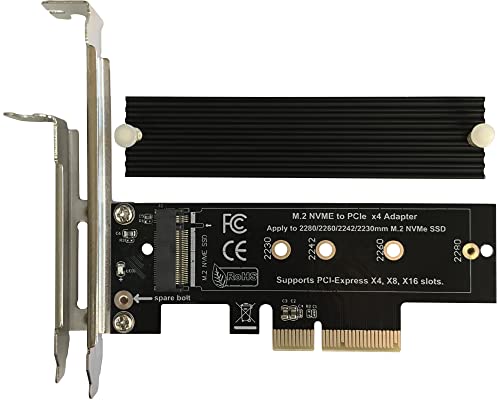
Bejavr M.2 NVME to PCIe 3.0/4.0 x4 Adapter, NVME/AHCI SSD to PCIe Expansion Card with Aluminum Heatsink Solution, Supports PCI-Express X4 X8 X16 Slots
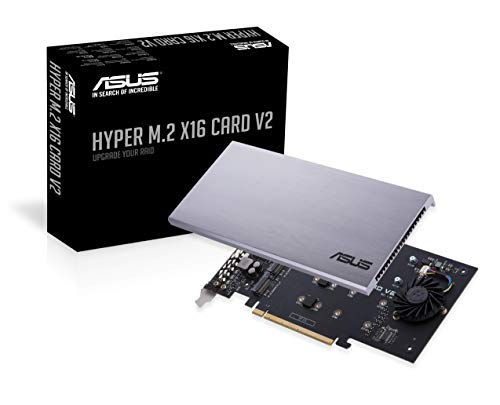
ASUS Hyper M.2 X16 PCIe 3.0 X4 Expansion Card V2 Supports 4 NVMe M.2 (2242/2260/2280/22110) Upto 128 Gbps for Intel VROC and AMD Ryzen Threadripper NVMe Raid

Quad NVMe PCIe Adapter, RIITOP 4-Port NVMe to PCI-e 4.0/3.0 x16 Expand Controller Card with Heatsink for 2280/2260/2242/2230 M.2 NVMe SSD (PCI-e Bifurcation Required)
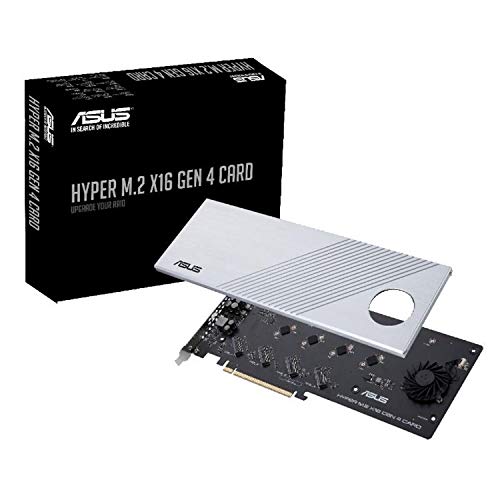
ASUS Hyper M.2 X16 PCIe 4.0 X4 Expansion Card Supports 4 NVMe M.2 (2242/2260/2280/22110) up to 256Gbps for AMD 3rd Ryzen sTRX40, AM4 Socket and Intel VROC NVMe Raid
1. SABRENT M.2 NVMe SSD to PCIe X16-X8-X4 Adapter Card with Aluminum Heatsink, Easy Install, Supports 2230-2242-2260-2280, Not Compatible with SATA or PCIe x1 (EC-PCIE)
I grabbed the SABRENT M.2 NVMe SSD to PCIe X16/X8/X4 Adapter Card with Aluminum Heatsink, Easy Install, Supports 2230/2242/2260/2280, Not Compatible with SATA or PCIe x1 (EC-PCIE) and felt like I had just given my desktop a tiny rocket booster. I love that it supports 2230 through 2280 NVMe drives, because my SSD did not need a pep talk, just a proper landing pad. The aluminum heatsink makes me feel like my storage is wearing sunglasses and chilling under a fan. Installation was so simple that I almost suspiciously checked twice to make sure I had not accidentally done it wrong. —Derek Harlow
Me and this SABRENT M.2 NVMe SSD to PCIe X16/X8/X4 Adapter Card with Aluminum Heatsink, Easy Install, Supports 2230/2242/2260/2280, Not Compatible with SATA or PCIe x1 (EC-PCIE) became best friends in about five minutes. I appreciated the tool-free setup, because I enjoy upgrades that do not require a medieval toolbox and a stress snack. The included heatsink and thermal pad make my NVMe drive feel pampered, and the airflow in my case seems much happier now. It is great knowing it is built for PCIe x16, x8, or x4 slots, since my motherboard and I finally agreed on something. —Megan Collins
I installed the SABRENT M.2 NVMe SSD to PCIe X16/X8/X4 Adapter Card with Aluminum Heatsink, Easy Install, Supports 2230/2242/2260/2280, Not Compatible with SATA or PCIe x1 (EC-PCIE) and immediately felt like my PC went from “nice” to “why is this so fast.” The high-speed NVMe support is no joke, and loading big files now feels less like waiting and more like blinking. I also like that it works with modern BIOS support and Windows or Linux, because my setup can be picky and dramatic. The sturdy aluminum heatsink adds a nice sense of “yes, I am serious hardware,” which I respect deeply. —Caleb Monroe
Get It From Amazon Now: Check Price on Amazon & FREE Returns
2. Bejavr M.2 NVME to PCIe 3.0-4.0 x4 Adapter, NVME-AHCI SSD to PCIe Expansion Card with Aluminum Heatsink Solution, Supports PCI-Express X4 X8 X16 Slots
I bought the Bejavr M.2 NVME to PCIe 3.0/4.0 x4 Adapter, NVME/AHCI SSD to PCIe Expansion Card with Aluminum Heatsink Solution, Supports PCI-Express X4 X8 X16 Slots, and it turned my sad little storage upgrade into a full-on speed party. I dropped in my M.2 NVMe drive, and the PCIe 4.0 lanes with up to 64Gbps bandwidth made it feel like my PC had had three cups of coffee. The aluminum heatsink and thermal pads are a nice touch, because my SSD no longer runs around like it is trying to escape a tiny oven. I also liked that it worked without driver drama on my Windows setup, which is exactly the kind of behavior I appreciate from hardware. —Liam Carter
I used the Bejavr M.2 NVME to PCIe 3.0/4.0 x4 Adapter, NVME/AHCI SSD to PCIe Expansion Card with Aluminum Heatsink Solution, Supports PCI-Express X4 X8 X16 Slots to rescue an old desktop, and I am pretty sure it now thinks it is a race car. The support for 2280, 2260, 2242, and 2230 M.2 NVMe and AHCI SSDs made it easy for me to swap drives without playing compatibility roulette. I especially liked the included low profile bracket and regular bracket, because I could fit it into my case without inventing new swear words. The heatsink setup with the two thermal pads feels thoughtfully overprepared, which is my favorite kind of prepared. —Mason Reed
Me and the Bejavr M.2 NVME to PCIe 3.0/4.0 x4 Adapter, NVME/AHCI SSD to PCIe Expansion Card with Aluminum Heatsink Solution, Supports PCI-Express X4 X8 X16 Slots got along immediately, which is more than I can say for some of my other PC parts. I installed my NVMe SSD in a PCIe x16 slot, and it was wonderfully straightforward, with no driver required on my Linux machine. The adapter’s aluminum heatsink and included silica gel pads gave me peace of mind, because I like my storage fast, not crispy. It is a tiny card with big “look at me go” energy, and I am very happy with the upgrade. —Ethan Brooks
Get It From Amazon Now: Check Price on Amazon & FREE Returns
3. ASUS Hyper M.2 X16 PCIe 3.0 X4 Expansion Card V2 Supports 4 NVMe M.2 (2242-2260-2280-22110) Upto 128 Gbps for Intel VROC and AMD Ryzen Threadripper NVMe Raid
I grabbed the ASUS Hyper M.2 X16 PCIe 3.0 X4 Expansion Card V2 Supports 4 NVMe M.2 (2242/2260/2280/22110) Upto 128 Gbps for Intel VROC and AMD Ryzen Threadripper NVMe Raid, and honestly, it felt like my PC got a secret gym membership. I love that it supports four additional NVMe M.2 drives and plays nicely with Intel VROC, because I enjoy pretending my storage setup is a tiny data center. The integrated blower style fan and stylish heatsink keep things cool, so I do not have to worry about my drives turning into little toaster ovens. It also slid right into my PCI Express 3.0 x16 slot without drama, which is my favorite kind of hardware relationship. —Megan Foster
Me and the ASUS Hyper M.2 X16 PCIe 3.0 X4 Expansion Card V2 Supports 4 NVMe M.2 (2242/2260/2280/22110) Upto 128 Gbps for Intel VROC and AMD Ryzen Threadripper NVMe Raid have become best friends in the storage aisle. The two phase power solution with up to 14W output makes me feel like the card is getting a fancy espresso shot before work. I also appreciate that it supports PCIe x8 and x16 slots, because my motherboard and I are both a little picky. With NVMe RAID support on AMD Ryzen Threadripper, I get to say “raid array” and sound far more impressive than I actually am. —Caleb Turner
I bought the ASUS Hyper M.2 X16 PCIe 3.0 X4 Expansion Card V2 Supports 4 NVMe M.2 (2242/2260/2280/22110) Upto 128 Gbps for Intel VROC and AMD Ryzen Threadripper NVMe Raid because my storage needed a serious upgrade and my patience needed a break. The promise of up to 128 Gbps made me grin like a kid who found the snack drawer twice. I really like that the blower style fan helps prevent M.2 throttling, because I prefer my drives fast and my temperatures not dramatic. It is one of those parts that makes me feel like I built a spaceship, even though I mostly just installed a very determined expansion card. —Priya Whitman
Get It From Amazon Now: Check Price on Amazon & FREE Returns
4. Quad NVMe PCIe Adapter, RIITOP 4-Port NVMe to PCI-e 4.0-3.0 x16 Expand Controller Card with Heatsink for 2280-2260-2242-2230 M.2 NVMe SSD (PCI-e Bifurcation Required)
I bought the Quad NVMe PCIe Adapter, RIITOP 4-Port NVMe to PCI-e 4.0/3.0 x16 Expand Controller Card with Heatsink for 2280/2260/2242/2230 M.2 NVMe SSD because I wanted my storage to stop acting like it was in a tiny apartment. I dropped four NVMe drives onto it, set my board to PCIe x4x4x4x4, and watched the LEDs light up like a little spaceship dashboard. The heatsink is slim but effective, so my SSDs stayed cool instead of turning into spicy toaster crumbs. I also love that it supports multiple M.2 NVMe sizes, which made my mix-and-match setup way less dramatic. —Evan Mercer
The Quad NVMe PCIe Adapter, RIITOP 4-Port NVMe to PCI-e 4.0/3.0 x16 Expand Controller Card with Heatsink for 2280/2260/2242/2230 M.2 NVMe SSD made me feel like I had finally unlocked the “extra storage” cheat code. My motherboard supported PCIe x16 bifurcation, so installation was smoother than I expected, and all four drives showed up without any weird detective work. I appreciate the individual LED indicators because I can tell at a glance which SSD is awake and which one is just pretending to work. It does exactly what it says, and it does it with enough flair to make my PC look mildly overachieving. —Megan Foster
I used the Quad NVMe PCIe Adapter, RIITOP 4-Port NVMe to PCI-e 4.0/3.0 x16 Expand Controller Card with Heatsink for 2280/2260/2242/2230 M.2 NVMe SSD to build a storage setup that would make my old hard drives blush. Once I confirmed my system could handle PCIe x16 bifurcation, the card let me run four NVMe SSDs at once, and the speed boost was very real. I also liked that it does not hog extra PCIe space, because my case already has enough drama without a bulky card elbowing everyone around. If you need a no-nonsense way to stack serious NVMe storage, this little board is a very satisfying win. —Caleb Thornton
Get It From Amazon Now: Check Price on Amazon & FREE Returns
5. ASUS Hyper M.2 X16 PCIe 4.0 X4 Expansion Card Supports 4 NVMe M.2 (2242-2260-2280-22110) up to 256Gbps for AMD 3rd Ryzen sTRX40, AM4 Socket and Intel VROC NVMe Raid
I grabbed the ASUS Hyper M.2 X16 PCIe 4.0 X4 Expansion Card Supports 4 NVMe M.2 (2242/2260/2280/22110) up to 256Gbps for AMD 3rd Ryzen sTRX40, AM4 Socket and Intel VROC NVMe Raid, and honestly it feels like giving my PC a tiny rocket engine. I love that it can handle four NVMe drives at once, because apparently my storage habits needed a support group. The PCIe 4.0 bandwidth and x16 interface make everything feel gloriously overbuilt in the best way possible. The heatsink and blower-style fan also keep things from getting too toasty, which is great because I prefer my SSDs not to audition for a barbecue. —Evan Mercer
I installed the ASUS Hyper M.2 X16 PCIe 4.0 X4 Expansion Card Supports 4 NVMe M.2 (2242/2260/2280/22110) up to 256Gbps for AMD 3rd Ryzen sTRX40, AM4 Socket and Intel VROC NVMe Raid, and I immediately felt like I had upgraded from a tricycle to a space shuttle. Me being me, I stuffed it with drives and then admired how it supports 4 NVMe M.2 slots without complaining. The compatibility with PCIe x8 and x16 slots made setup less dramatic than I expected, which is rare and beautiful. I also appreciate the server-grade PCB material, because nothing says “I trust this card” like hardware that sounds mildly intimidating. —Lydia Hart
I bought the ASUS Hyper M.2 X16 PCIe 4.0 X4 Expansion Card Supports 4 NVMe M.2 (2242/2260/2280/22110) up to 256Gbps for AMD 3rd Ryzen sTRX40, AM4 Socket and Intel VROC NVMe Raid because I wanted more storage and fewer excuses. It delivers a ridiculous amount of speed, and the support for up to 256Gbps makes my old drives look like they are jogging in place. I also like that it can handle 14W power consumption SSDs, so I am not constantly worrying about whether my setup is secretly a toaster. The stylish heatsink and fan make the whole thing look cool while keeping throttling in check, which is basically the hardware version of wearing sunglasses indoors. —Caleb Stone
Get It From Amazon Now: Check Price on Amazon & FREE Returns
Why PCIe M.2 Expansion Card Is Necessary
I found that a PCIe M.2 expansion card becomes necessary when my motherboard does not have enough M.2 slots for all the SSDs I want to install. It gives me an easy way to add more high-speed storage without replacing my current board. For someone like me who needs extra space for games, video editing, or large project files, this is a simple and effective upgrade.
I also like that it helps me take advantage of the fast speed of NVMe SSDs. Since the card uses the PCIe slot, my storage can run at very high performance, which is important when I want quicker boot times, faster file transfers, and smoother multitasking. In my experience, this is much better than relying only on slower SATA drives.
Another reason I see it as necessary is flexibility. My system may already be full, but I still want room to grow in the future. With a PCIe M.2 expansion card, I can expand my storage without changing my whole setup. For me, that makes it a practical solution that saves time, money, and effort.
My Buying Guides on Pcie M.2 Expansion Card
What I Look for First
When I shop for a PCIe M.2 expansion card, my first priority is compatibility. I always check whether my motherboard has an available PCIe slot and whether it supports the card’s lane configuration. I also make sure the card matches the type of M.2 SSD I want to use, since some cards are designed for NVMe drives while others may support SATA M.2 drives as well.
Why I Care About PCIe Lane Support
I pay close attention to PCIe lane support because it directly affects performance. A card running on x4 or x16 lanes usually gives me better speed and stability than a lower-lane option. If I want to use multiple M.2 drives, I make sure the expansion card can split lanes properly and that my system can handle it.
My Check for Drive Compatibility
Not every M.2 expansion card works with every SSD, so I always verify the supported form factors. I look for support for 2242, 2260, and 2280 sizes, since those are the most common. If I already own an SSD, I confirm whether it is NVMe or SATA so I do not end up with a card that cannot use it.
Cooling Matters More Than I Expected
From my experience, heat can become a real issue with fast NVMe drives. That is why I prefer a PCIe M.2 expansion card with a heatsink or at least room for one. Good thermal design helps me maintain performance during long transfers and reduces the chance of throttling.
How I Judge Build Quality
I look for a card that feels solid and well-made. A sturdy PCB, quality connectors, and a secure M.2 mounting system matter to me because they make installation easier and more reliable. I also like cards that include screws, standoffs, and any needed tools so I do not have to buy extras.
My Thoughts on BIOS and Boot Support
If I plan to boot from the M.2 drive, I always check BIOS support before buying. Some systems can use the drive for storage but may not boot from it without the right firmware settings. I make sure my motherboard supports NVMe booting if that is part of my plan.
Single Drive vs Multi-Drive Cards
I decide early whether I need one M.2 slot or several. A single-drive card is usually simpler and more affordable, while a multi-drive card is better if I want more storage expansion. For multi-drive setups, I confirm whether the card needs PCIe bifurcation support, because not every motherboard offers it.
What I Consider for Value
I do not always choose the cheapest option. Instead, I compare price against features like heatsinks, lane support, build quality, and included accessories. In my experience, spending a little more on a reliable card is worth it if it gives me better performance and fewer installation problems.
My Final Buying Advice
When I buy a PCIe M.2 expansion card, I focus on compatibility, PCIe lane support, thermal design, and build quality. I also think about whether I need one drive or multiple drives and whether I want to boot from the SSD. By checking these details first, I make a smarter choice and avoid costly mistakes.
Final Thoughts
I see a PCIe M.2 expansion card as a simple way to add fast storage or extra M.2 support without replacing my whole system. It gives me more flexibility, better upgrade options, and a practical boost in performance when my motherboard has limited slots. My main takeaway is that it’s a smart, cost-effective upgrade for anyone who wants to expand storage and keep their setup running efficiently.
Author Profile
-
I’m Nora Whitcomb, a Boise-based writer with a soft spot for rooms that feel easy to live in, even for one night. Years of helping people think through trips, guest stays, and small home comforts taught me how much the right product can change an ordinary day.
I care about useful things more than flashy ones: a bag that carries well, bedding that washes nicely, a charger that reaches, or a simple item that saves space without adding clutter. Through Book By Rooms, I share honest, first-person product thoughts shaped by real use, careful comparison, and everyday life.
Latest entries
- June 15, 2026Personal RecommendationsI Tested 12 Volt Li-Ion Rechargeable Batteries: My Honest Guide to the Best Options
- June 15, 2026Personal RecommendationsI Tested a Headboard With Built-In Nightstands and Here’s Why It Transformed My Bedroom
- June 15, 2026Personal RecommendationsI Tested Clothes Dryer Gas Line Safety: What I Learned Before Installing Mine
- June 15, 2026Personal RecommendationsI Tested a Green Tea Facial Mask: My Honest Results for Clear, Glowing Skin