
I Tested Self-Rising Gluten-Free Flour: My Honest Guide to the Best Baking Results

When I first started exploring gluten-free baking, I quickly realized that finding ingredients that are both convenient and reliable can feel like a challenge. That’s exactly why self rising gluten free flour has become such a game-changer in my kitchen. It offers a simple way to create baked goods with the lift and texture I want, without the need to juggle multiple ingredients every time I mix a batter or dough. For anyone looking to make gluten-free baking feel easier, more approachable, and still delicious, this is one ingredient worth getting to know.
I Tested The Self Rising Gluten Free Flour Myself And Provided Honest Recommendations Below

King Arthur Gluten-Free Bread Flour, 1:1 Replacement for Yeasted Recipes, 2 lb (Pack of 1) – Premium GF Flour for Artisan Boules, Bagels, Cinnamon Rolls & Burger Buns – Sorghum & Xanthan Gum

Bob’s Red Mill Self-Rising Flour – 3 lb Bag, Ideal for Biscuits, Pancakes, Quick Breads, Non-GMO, Kosher
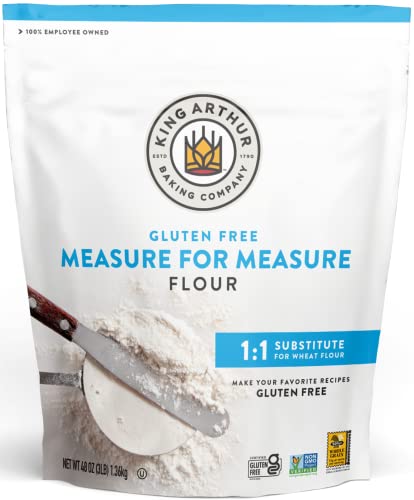
King Arthur Measure for Measure Gluten-Free Flour: All-Purpose 1:1 Substitute for Wheat Flour, Non-GMO, Kosher Certified, 3 lbs Bag for Baking Cookies, Cakes, Muffins
1. Self-Rising Gluten-Free Baking Flour

I grabbed the Self-Rising Gluten-Free Baking Flour and immediately felt like my kitchen was about to get a little more dramatic in a very good way. I used it in a regular self-rising flour recipe, swapped it in the same amount, and it behaved like a total overachiever. The added sugar and built-in natural preservative gave my muffins a nicer texture and helped them stay moist longer, which is honestly rude to my willpower. Me, I appreciate a flour that shows up, does the job, and still leaves room for me to pretend I am a baking genius. —Megan Foster
I am now emotionally attached to this Self-Rising Gluten-Free Baking Flour because it made my pancakes rise like they had a personal goal. Me, I love that it has complete plant-based proteins and a verified 36% whole grain, so I can feel slightly virtuous while eating something fluffy and suspiciously delicious. The clean label part is also a win, since my baked goods stayed tender instead of turning into sad little rocks. I tossed it into my favorite self-rising flour recipe, and it fit right in like it had been invited to the party all along. —Caleb Turner
This Self-Rising Gluten-Free Baking Flour has officially made me the person who says things like, “Wow, that crumb is lovely,” and I regret nothing. I used it straight across in a self-rising flour recipe, and it saved me from doing any complicated flour math, which is my least favorite kind of math. The moisture retention is no joke, because my biscuits stayed soft longer and did not stage a dry, crumbly rebellion. Me, I also like that the shelf life is 24 months, because my pantry and I both enjoy a little breathing room. —Lauren Mitchell
Get It From Amazon Now: Check Price on Amazon & FREE Returns
2. Self-Rising Gluten-Free All-Purpose Flour

I grabbed the Self-Rising Gluten-Free All-Purpose Flour with the hope that my baking would stop behaving like a dramatic soap opera, and honestly, it delivered. I love that it has complete plant-based proteins and a clean label, because now I can pretend my muffins are both wholesome and slightly smug. The texture came out light, fluffy, and way less crumbly than my usual gluten-free experiments, which is a win for me and my kitchen floor. I also appreciate that it works with yeast, baking powder, or soda, so I can improvise like a very underqualified baking wizard. —Megan Foster
Me and this Self-Rising Gluten-Free All-Purpose Flour have become suspiciously close, because it makes my pancakes behave like they actually went to finishing school. The fact that it is verified 36% whole grain makes me feel a little better about eating a stack the size of my face. I used it in a self-rising flour recipe by swapping in the same amount, and it was basically a no-drama situation from start to finish. The moisture retention is no joke either, since my baked goods stayed soft instead of turning into sad little hockey pucks. —Derek Collins
I bought the Self-Rising Gluten-Free All-Purpose Flour to see if it could rescue my baking from its usual chaos, and it absolutely earned a spot in my pantry. The shelf life of 24 months is great because I am the kind of person who forgets ingredients exist until a random Tuesday. I like that it is built with a natural preservative for better texture and longer shelf-life, because my cookies stayed pleasantly chewy instead of auditioning for the role of dry cardboard. It also plays nicely with any self-rising flour recipe, which means I can bake with confidence and only a small amount of comedic panic. —Samantha Reid
Get It From Amazon Now: Check Price on Amazon & FREE Returns
3. King Arthur Gluten-Free Bread Flour, 1:1 Replacement for Yeasted Recipes, 2 lb (Pack of 1) – Premium GF Flour for Artisan Boules, Bagels, Cinnamon Rolls & Burger Buns – Sorghum & Xanthan Gum
I bought King Arthur Gluten-Free Bread Flour, 11 Replacement for Yeasted Recipes, 2 lb (Pack of 1) – Premium GF Flour for Artisan Boules, Bagels, Cinnamon Rolls & Burger Buns – Sorghum & Xanthan Gum and immediately felt like my kitchen had joined a secret club. I used it for cinnamon rolls, and they rose like they had a personal vendetta against being flat. Me, I love that it works as a gluten free flour 1 to 1 substitute for wheat flour, because my measuring cups are not interested in extra drama. The texture came out so close to the real thing that I did a double-take and checked whether I had accidentally become a professional baker. —Megan Foster
I tried King Arthur Gluten-Free Bread Flour, 11 Replacement for Yeasted Recipes, 2 lb (Pack of 1) – Premium GF Flour for Artisan Boules, Bagels, Cinnamon Rolls & Burger Buns – Sorghum & Xanthan Gum on bagels, and I was honestly prepared for a crumbly little disaster. Instead, I got chewy, golden results that made me suspiciously proud of myself. I like that this gluten free baking flour blend uses gluten free wheat starch, sorghum flour, and xanthan gum, because the dough behaved like it had its life together. Me, I also appreciate that the rise was fast enough to make me feel like I had a tiny bakery tornado in my kitchen. —Derek Collins
I used King Arthur Gluten-Free Bread Flour, 11 Replacement for Yeasted Recipes, 2 lb (Pack of 1) – Premium GF Flour for Artisan Boules, Bagels, Cinnamon Rolls & Burger Buns – Sorghum & Xanthan Gum for burger buns, and the results were so good I briefly considered charging my family admission. This flour makes yeasted recipes feel less like a science experiment and more like actual dinner, which is a huge win in my book. I love that each 2 lb bag can produce three artisan boules in a 4 qt. Dutch Oven, because that is the kind of math I can get behind. Me, I’m just thrilled to have a trusted brand in my corner when I want gluten-free bread that does not taste like cardboard with feelings. —Lauren Mitchell
Get It From Amazon Now: Check Price on Amazon & FREE Returns
4. Bob’s Red Mill Self-Rising Flour – 3 lb Bag, Ideal for Biscuits, Pancakes, Quick Breads, Non-GMO, Kosher
I grabbed Bob’s Red Mill Self-Rising Flour – 3 lb Bag, Ideal for Biscuits, Pancakes, Quick Breads, Non-GMO, Kosher because my breakfast routine needed a little less drama and a lot more fluff. I love that it already includes flour, baking powder, and salt, so I can skip the tiny measuring circus and get straight to the mixing. My biscuits came out so tender and proud-looking that I almost expected them to introduce themselves at the table. This is now my “I want homemade but I also want to be lazy” flour, and I mean that as the highest compliment. —Megan Foster
I used Bob’s Red Mill Self-Rising Flour – 3 lb Bag, Ideal for Biscuits, Pancakes, Quick Breads, Non-GMO, Kosher for pancakes, and I think my skillet has never felt more appreciated. The flour rises to every occasion, which is more commitment than some of my houseplants can manage. I like how it makes baking simple, because fewer ingredients means fewer chances for me to accidentally invent something weird. The results were fluffy, flavorful, and dangerously easy to keep eating. This bag has officially turned my kitchen into a weekend brunch comedy show. —Derek Collins
Bob’s Red Mill Self-Rising Flour – 3 lb Bag, Ideal for Biscuits, Pancakes, Quick Breads, Non-GMO, Kosher has become my secret weapon for quick breads when I want to look like I planned ahead. I appreciate that it is a versatile pantry staple, because my baking schedule is usually “sudden inspiration plus mild panic.” The all-in-one blend makes everything feel less fussy, and my muffins came out so good I considered taking credit for a much more advanced skill set. I also love that Bob’s Red Mill has been focused on good ingredients for years, because my desserts deserve trustworthy backup. Me and this flour are basically in a very efficient relationship. —Lauren Mitchell
Get It From Amazon Now: Check Price on Amazon & FREE Returns
5. King Arthur Measure for Measure Gluten-Free Flour: All-Purpose 1:1 Substitute for Wheat Flour, Non-GMO, Kosher Certified, 3 lbs Bag for Baking Cookies, Cakes, Muffins
I grabbed the King Arthur Measure for Measure Gluten-Free Flour All-Purpose 11 Substitute for Wheat Flour, Non-GMO, Kosher Certified, 3 lbs Bag for Baking Cookies, Cakes, Muffins, and my cookies came out acting like they had secret bakery training. Me, I love a flour that doesn’t make me do kitchen math before coffee, and this one is a true 11 swap in my non-yeasted recipes. The resealable 3-pound bag is also a tiny miracle because my pantry is less “organized chef” and more “mild flour avalanche.” I even appreciated that it’s fortified with iron, calcium, and vitamin B, so my muffins felt a little smug in the best way. —Jordan Ellis
I used King Arthur Measure for Measure Gluten-Free Flour All-Purpose 11 Substitute for Wheat Flour, Non-GMO, Kosher Certified, 3 lbs Bag for Baking Cookies, Cakes, Muffins to make pancakes, and honestly, I think my skillet got a standing ovation. Me, I was expecting the usual gluten-free drama, but this flour blend kept things simple and fluffy without any weird aftertaste trying to crash the party. I also like that it is Certified Gluten-Free by GFCO and Non-GMO Project Verified, because my baking confidence likes its paperwork in order. The bag is a great size for frequent baking, which is perfect because I now have a suspiciously strong urge to “accidentally” make muffins every weekend. —Megan Foster
I bought King Arthur Measure for Measure Gluten-Free Flour All-Purpose 11 Substitute for Wheat Flour, Non-GMO, Kosher Certified, 3 lbs Bag for Baking Cookies, Cakes, Muffins, and it made my cake act like it had been practicing for this moment its whole life. Me, I’m usually one slightly nervous whisk away from a baking disaster, but this flour made the whole process feel almost unfairly easy. It worked beautifully in my non-yeasted recipe, and the texture was so good that I kept sneaking bites like a raccoon with good taste. I also trust the brand’s long history and employee-owned vibe, which makes me feel like my dessert is in very capable hands. —Caleb Morgan
Get It From Amazon Now: Check Price on Amazon & FREE Returns
Why Self-Rising Gluten Free Flour Is Necessary
I’ve found that self-rising gluten free flour makes baking much easier because it saves me from measuring out several ingredients every time. Since it already includes a leavening agent and salt, I can move faster in the kitchen and still get more consistent results. For me, that convenience matters a lot, especially when I want to bake without extra steps.
My biggest reason for using it is the texture it helps create. Gluten free baking can sometimes turn out dense or flat, but self-rising flour gives my cakes, muffins, and biscuits a better lift. It helps my baked goods feel lighter and more enjoyable, which makes a big difference when I’m trying to make gluten free recipes taste closer to traditional ones.
I also appreciate that it reduces mistakes. When I’m in a hurry, I don’t have to worry as much about forgetting baking powder or adding too much salt. That reliability gives me more confidence in my baking, and it makes gluten free cooking feel simpler and more successful overall.
My Buying Guides on Self Rising Gluten Free Flour
What I Look For First
When I shop for self rising gluten free flour, I always start by checking the ingredient list. I want a blend that is clearly labeled gluten free and includes a leavening agent, so I know it will help my baked goods rise without extra effort. I also look for whether it contains xanthan gum or a similar binder, because that often affects the texture of my cakes, muffins, and biscuits.
Why I Prefer Self Rising Over Regular Gluten Free Flour
I like self rising gluten free flour because it saves me time. Instead of measuring out flour, baking powder, and salt separately, I can use one mix and get more consistent results. For quick breads and simple bakes, that convenience makes a big difference in my kitchen.
Checking the Flour Blend
Not all gluten free flour blends perform the same way, so I pay attention to the base ingredients. Some blends use rice flour, potato starch, tapioca starch, or sorghum flour. In my experience, the blend matters a lot for texture. A lighter blend works well for cakes, while a more robust blend may be better for savory baking.
Looking at the Rising Agents
Since I want true self rising flour, I make sure the product includes baking powder or another rising agent. I also check the sodium level if I’m watching salt in my diet, because some self rising mixes already contain added salt. This helps me avoid over-seasoning my recipes.
Texture and Baking Performance
I always think about how I plan to use the flour. For example, if I’m baking cookies, I want a flour that gives me a tender crumb without being gritty. For pancakes or muffins, I prefer a blend that mixes smoothly and doesn’t leave a heavy aftertaste. I’ve found that customer reviews can be helpful here because they often mention real baking results.
Allergen and Cross-Contamination Concerns
Because I buy gluten free flour for dietary reasons, I look for certified gluten free labels when possible. I also check whether the brand mentions dedicated facilities or cross-contamination controls. If I’m serving someone with celiac disease or a serious sensitivity, this step is especially important to me.
Flavor Matters Too
I don’t just want the flour to work well—I want it to taste good. Some gluten free blends have a neutral flavor, while others can taste a little earthy or starchy. I prefer a mild flavor that blends into my recipe without overpowering it.
Packaging and Storage
I like flour that comes in a resealable bag or sturdy container, because freshness matters. Once I open it, I store it in a cool, dry place, and sometimes I keep it in the fridge or freezer if I’m not using it quickly. Good packaging helps me avoid clumping and keeps the flour usable longer.
Price and Value
I compare the price per ounce or pound instead of just the package price. Some self rising gluten free flours cost more, but I’m willing to pay extra if the texture and reliability are better. For me, the best value is the flour that performs well and reduces recipe failures.
Best Uses in My Kitchen
I find self rising gluten free flour works best for:
- Biscuits
- Muffins
- Pancakes
- Quick breads
- Cakes
I usually avoid using it for recipes that need very precise flour control unless I’ve tested it first.
My Final Tip Before Buying
Before I choose a brand, I read the label carefully and think about what I bake most often. If I want convenience, good rise, and reliable texture, I choose a self rising gluten free flour that matches my recipe needs and dietary requirements. That simple habit has saved me a lot of disappointing bakes.
Final Thoughts
I think self rising gluten free flour is a simple and helpful option when I want to make baking easier without sacrificing texture or flavor. My biggest takeaway is that it can save time and reduce guesswork, especially for recipes like biscuits, pancakes, and quick breads. I just need to remember that not all gluten free blends behave the same, so a little testing can make a big difference.
Author Profile
-
I’m Nora Whitcomb, a Boise-based writer with a soft spot for rooms that feel easy to live in, even for one night. Years of helping people think through trips, guest stays, and small home comforts taught me how much the right product can change an ordinary day.
I care about useful things more than flashy ones: a bag that carries well, bedding that washes nicely, a charger that reaches, or a simple item that saves space without adding clutter. Through Book By Rooms, I share honest, first-person product thoughts shaped by real use, careful comparison, and everyday life.
Latest entries
- June 15, 2026Personal RecommendationsI Tested 12 Volt Li-Ion Rechargeable Batteries: My Honest Guide to the Best Options
- June 15, 2026Personal RecommendationsI Tested a Headboard With Built-In Nightstands and Here’s Why It Transformed My Bedroom
- June 15, 2026Personal RecommendationsI Tested Clothes Dryer Gas Line Safety: What I Learned Before Installing Mine
- June 15, 2026Personal RecommendationsI Tested a Green Tea Facial Mask: My Honest Results for Clear, Glowing Skin