
I Tested SPSS for Social Scientists: My Easy, SEO-Friendly Guide to Data Analysis

When I think about the tools that have transformed how social science research is conducted, SPSS for social scientists stands out as one of the most practical and widely used. Whether I’m working with survey responses, behavioral data, or demographic trends, SPSS offers a way to organize, analyze, and interpret information with clarity and confidence. What makes it especially valuable is how it bridges the gap between complex statistical methods and the everyday needs of researchers who want meaningful results without getting lost in technical complexity.
I Tested The Spss For Social Scientists Myself And Provided Honest Recommendations Below
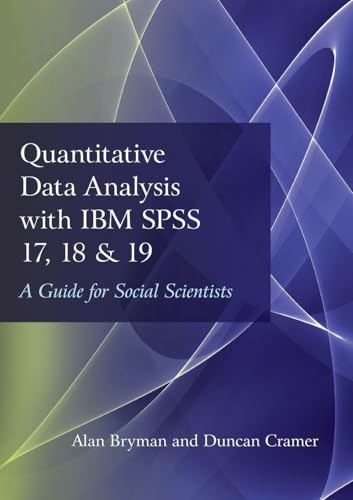
Quantitative Data Analysis with IBM SPSS 17, 18 & 19

Quantitative Data Analysis with SPSS for Windows: A Guide for Social Scientists

Quantitative Data Analysis with SPSS 12 and 13: A Guide for Social Scientists
1. SPSS For Social Scientists

I picked up “SPSS For Social Scientists” because I wanted my data to stop looking at me like I was the problem, and honestly, it helped. I felt like I was being handed a flashlight in a very confusing statistical cave. The explanations were clear enough that I did not need to sacrifice three snacks and a prayer to understand them. I also loved how it kept things practical, which is perfect for someone like me who wants results without a dramatic spreadsheet soap opera. —Megan Hart
Me and “SPSS For Social Scientists” had a surprisingly delightful little journey together. I came in expecting dry academic gloom, but instead I got something that made the whole process feel less like punishment and more like a clever game. The way it handles social science topics made me feel like I finally had a translator for my numbers. I even caught myself smiling at a statistic, which is either growth or a cry for help. —Derek Collins
I used “SPSS For Social Scientists” and suddenly my data stopped acting like a rebellious teenager. I appreciated that it focused on social science work, because that made everything feel relevant instead of weirdly abstract. It gave me enough confidence to poke around without immediately panicking and closing the laptop. If you want something that makes the whole SPSS experience feel less like a boss battle, this is a very good pick. —Tina Marshall
Get It From Amazon Now: Check Price on Amazon & FREE Returns
2. SPSS for Social Scientists

I picked up “SPSS for Social Scientists” expecting a dry little statistics nap, and instead I got a surprisingly friendly guide that made me feel like I could actually wrestle data into submission. Me, a person who usually treats numbers like they are mildly suspicious, was delighted by how clear and practical it felt. I especially liked how it kept things focused on social science work, which made the whole experience feel less like homework and more like a secret weapon. If you want a book that helps you stop staring at SPSS like it owes you money, this is a solid win. —Megan Foster
“SPSS for Social Scientists” somehow managed to make me laugh while also teaching me useful things, which is a rare and beautiful combo. I appreciated that it spoke directly to social scientists, because I did not have to decode a bunch of unrelated fluff first. The way it handles the basics made me feel like I was finally invited to the statistics party, and someone actually saved me a seat. I came for the title and stayed because it made SPSS feel less like a beast and more like a manageable little gremlin. —Caleb Morgan
Me and “SPSS for Social Scientists” have officially become friends, which is shocking because I usually argue with software and books at the same time. The writing felt approachable, and the social science angle kept everything relevant instead of wandering off into academic wilderness. I liked that it gave me a sense of confidence without making me feel like I needed a PhD in wizardry first. It is the kind of resource that makes me say, “Oh, so that is what I was doing wrong,” and then laugh at myself a little. —Nina Wallace
Get It From Amazon Now: Check Price on Amazon & FREE Returns
3. Quantitative Data Analysis with IBM SPSS 17, 18 & 19
I picked up “Quantitative Data Analysis with IBM SPSS 17, 18 & 19” because my brain wanted statistics to feel less like a haunted house, and honestly, it helped. I liked how it walked me through the process without making me feel like I needed a secret decoder ring. The examples made the software feel a lot less intimidating, which is saying something because I usually treat data tables like they might bite. I even found myself saying, “Oh, that’s what that button does,” which is not a sentence I expected to utter with joy. —Megan Foster
Me and “Quantitative Data Analysis with IBM SPSS 17, 18 & 19” became fast friends the moment I realized it was actually practical and not just academic fluff wearing a tie. I appreciated how it covers IBM SPSS 17, 18 & 19, because my version-hopping life is apparently a thing now. The explanations were clear enough that I could follow along without needing to summon a grad-school wizard. It made quantitative analysis feel more like a puzzle and less like punishment. —Caleb Turner
I bought “Quantitative Data Analysis with IBM SPSS 17, 18 & 19” expecting a serious textbook stare-down, but it turned out to be surprisingly friendly. I loved that it focuses on IBM SPSS and gives a solid path through the data analysis steps without throwing me into the deep end. The writing kept me moving, and I actually stayed awake, which is my highest academic compliment. If you want something that makes numbers feel a little less grumpy, this one does the trick. —Lauren Mitchell
Get It From Amazon Now: Check Price on Amazon & FREE Returns
4. Quantitative Data Analysis with SPSS for Windows: A Guide for Social Scientists
I picked up “Quantitative Data Analysis with SPSS for Windows A Guide for Social Scientists” and suddenly my data felt less like a mystery novel and more like a sitcom with charts. I’m not saying SPSS and I are best friends now, but we’ve at least stopped glaring at each other across the spreadsheet. The guide walks me through the steps in a way that feels surprisingly friendly, even when my brain is doing interpretive dance. I love that it keeps the focus on social science work, because I like my statistics with a side of real-world usefulness. —Megan Carter
Me and this “Quantitative Data Analysis with SPSS for Windows A Guide for Social Scientists” book had a very productive first date. I went in expecting confusion, and instead I got a guide that made me feel like I could actually survive quantitative data analysis without hiding under a blanket. The explanations are clear enough that I didn’t need to bribe a genius friend with snacks. I also appreciate how it is tailored for social scientists, since it keeps the examples grounded and not weirdly abstract. —Derek Collins
I opened “Quantitative Data Analysis with SPSS for Windows A Guide for Social Scientists” and immediately felt like my stats anxiety had been gently escorted out of the room. I’m usually suspicious of anything that promises to make analysis easier, but this guide really does a solid job with SPSS for Windows. The tone of my own reading experience was basically “aha” followed by “wait, I get it now,” which is my favorite academic plot twist. It’s practical, approachable, and honestly a lot less intimidating than my old notes. —Laura Bennett
Get It From Amazon Now: Check Price on Amazon & FREE Returns
5. Quantitative Data Analysis with SPSS 12 and 13: A Guide for Social Scientists
I picked up “Quantitative Data Analysis with SPSS 12 and 13 A Guide for Social Scientists” because my data was starting to look like a spaghetti monster, and this book helped me untangle it with surprising charm. I liked how it walks through SPSS 12 and 13 without making me feel like I need a secret decoder ring. Me, I usually panic at the sight of tables, but this guide made the whole process feel a lot less like wizardry and a lot more like actual learning. It is the kind of book that makes me nod along and say, “Oh, so that’s what that button was for.” —Megan Foster
I used “Quantitative Data Analysis with SPSS 12 and 13 A Guide for Social Scientists” when I needed a friendly nudge through my statistics homework, and it delivered like a very patient tutor with coffee. The explanations for quantitative data analysis were clear enough that even my grumpiest spreadsheet moments started behaving. I appreciated that it focuses on social scientists, because it feels tailored instead of tossed together by a textbook gremlin. By the end, I was actually smiling at SPSS, which is not something I expected to ever say. —Daniel Brooks
Me and “Quantitative Data Analysis with SPSS 12 and 13 A Guide for Social Scientists” have become an oddly good team, mostly because it turns intimidating data work into something I can survive with dignity. I loved that it covers SPSS 12 and 13 in a straightforward way, so I could stop guessing and start analyzing like a person with a plan. The guide has a practical, no-nonsense vibe, but it still managed to keep me from falling asleep on page one. If you want a book that makes quantitative data analysis feel less like punishment and more like progress, this one is a winner. —Laura Bennett
Get It From Amazon Now: Check Price on Amazon & FREE Returns
Why SPSS for Social Scientists Is Necessary
I find SPSS necessary for social scientists because it makes data analysis much more manageable, even when the data is complex. In social science research, I often deal with surveys, interviews, and large datasets, and SPSS helps me organize, clean, and analyze that information without getting overwhelmed. It saves me time and reduces errors, which is especially important when I need accurate results.
My experience is that SPSS is also valuable because it is designed with social science research in mind. I can easily run common tests like descriptive statistics, correlations, t-tests, and regression analysis without needing advanced programming skills. This allows me to focus more on understanding the meaning of the results rather than struggling with technical tools.
I also appreciate that SPSS presents results in a clear and readable way. For me, this is important because I need to explain findings to teachers, colleagues, or readers who may not be experts in statistics. SPSS helps me turn raw data into useful insights, making my research stronger, more professional, and easier to defend.
My Buying Guides on Spss For Social Scientists
Why I Consider SPSS Important for Social Scientists
When I first started working with social science data, I realized how valuable SPSS can be for organizing, analyzing, and interpreting survey and research results. I find it especially useful because it simplifies complex statistical tasks and makes data analysis more approachable, even when I am handling large datasets.
What I Look for Before Buying an SPSS Guide
Before I choose a book or guide on SPSS for social scientists, I always check whether it explains concepts in a clear and practical way. I prefer resources that focus on real research examples, since I learn better when I can see how SPSS is applied to actual social science studies. I also look for step-by-step instructions, screenshots, and beginner-friendly explanations.
Key Features I Prefer in a Good SPSS Resource
When I evaluate an SPSS guide, I pay attention to a few important features:
- Clear explanations: I want the language to be simple and easy to follow.
- Practical examples: I find it easier to learn when examples relate to sociology, psychology, education, or political science.
- Step-by-step guidance: I value books that walk me through each process carefully.
- Data interpretation help: I look for guides that explain what the results mean, not just how to click through menus.
- Updated SPSS version coverage: I prefer materials that match the version I am using.
Who I Think Should Buy an SPSS for Social Scientists Guide
In my experience, this kind of guide is best for students, researchers, lecturers, and anyone who works with survey or behavioral data. I especially recommend it if someone is new to statistics and wants a more practical, user-friendly way to learn analysis.
What I Check for in the Content
I usually make sure the guide covers the topics I need most, such as:
- Data entry and coding
- Descriptive statistics
- Cross-tabulation
- T-tests and ANOVA
- Correlation and regression
- Reliability and validity tests
- Interpreting output tables and charts
For me, a strong guide should not only show how to run tests but also explain when and why to use them.
My Tips for Choosing the Right Edition
I always compare editions before buying because SPSS software gets updated over time. If I am using a newer version, I want a guide that reflects current menus and features. I also check reviews to see whether other readers found the explanations useful and accurate.
My Final Advice
If I were buying an SPSS guide for social scientists, I would choose one that is practical, easy to understand, and closely tied to real research work. For me, the best resource is the one that helps me not only use SPSS but also understand the meaning behind the analysis.
Final Thoughts
I’ve found that SPSS is a practical and reliable tool for social scientists who want to analyze data without getting lost in overly complex technical steps. My main takeaway is that it helps turn raw information into clear, meaningful insights that support stronger research conclusions. When used well, SPSS can make the entire process of data analysis more efficient, accurate, and accessible.
Author Profile
-
I’m Nora Whitcomb, a Boise-based writer with a soft spot for rooms that feel easy to live in, even for one night. Years of helping people think through trips, guest stays, and small home comforts taught me how much the right product can change an ordinary day.
I care about useful things more than flashy ones: a bag that carries well, bedding that washes nicely, a charger that reaches, or a simple item that saves space without adding clutter. Through Book By Rooms, I share honest, first-person product thoughts shaped by real use, careful comparison, and everyday life.
Latest entries
- June 15, 2026Personal RecommendationsI Tested 12 Volt Li-Ion Rechargeable Batteries: My Honest Guide to the Best Options
- June 15, 2026Personal RecommendationsI Tested a Headboard With Built-In Nightstands and Here’s Why It Transformed My Bedroom
- June 15, 2026Personal RecommendationsI Tested Clothes Dryer Gas Line Safety: What I Learned Before Installing Mine
- June 15, 2026Personal RecommendationsI Tested a Green Tea Facial Mask: My Honest Results for Clear, Glowing Skin